
In 2018 SaaS stacks began to grow around 30% each year.
With this growth, companies saw that SaaS waste and Shadow IT began growing with it too.
Now, enterprises spend up to $4.1M on their SaaS stack.
With more than 400 tools across the company, it is impossible to manage them manually without losing funds left and right on duplicate or unnecessary tools.
Enter: SaaS management.
SaaS management helps you regain visibility and control to make sure you’re building the smartest SaaS stack.
What Is SaaS Management?
SaaS management is the process of overseeing and optimizing all software-as-a-service platforms your organization purchases.
It involves managing the entire lifecycle of SaaS applications, from procurement and onboarding to usage monitoring, renewals, compliance, and optimization.
In simple terms, SaaS management helps companies answer important questions such as:
- What software are we paying for?
- Who is using it?
- How much does it cost?
- When does it renew?
- Is it delivering value?
As SaaS portfolios continue to grow, managing software manually becomes increasingly difficult and spreadsheets become truly inefficient.
SaaS management provides the processes, visibility, and technology needed to keep everything organized and under control.
What Is a SaaS Management Platform?
A SaaS management platform is software designed to help organizations monitor, manage, and optimize their SaaS ecosystem from a single location.
Rather than tracking subscriptions across spreadsheets, emails, contracts, and finance systems, a SaaS management platform centralizes all software-related information in one place.
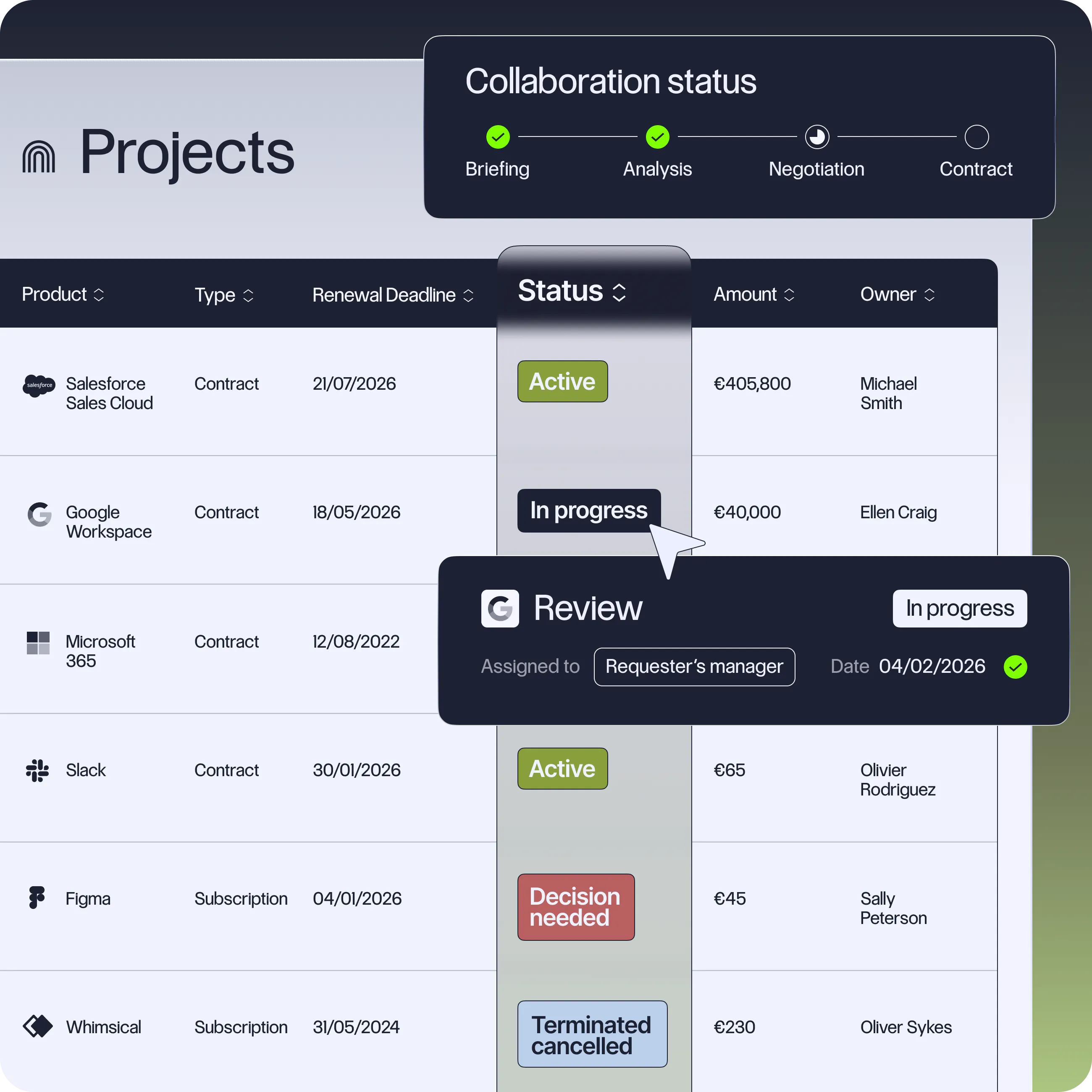
These platforms typically provide visibility into:
- Applications in use across the organization
- License allocations and utilization
- Software spending
- Vendor contracts
- Renewal dates
- Subscription ownership
Think of it as a control tower for your SaaS environment. Instead of flying blind, teams gain a clear view of their software landscape and can make decisions with confidence.
SaaS Management vs SaaS Spend Management
SaaS management and SaaS spend management have some slight differences.
SaaS management is the broader discipline. It covers everything related to software governance, including discovery, usage, renewals, vendor relationships, compliance, and optimization.
SaaS spend management focuses specifically on the financial side of software management. Its primary goal is to control costs and increase software’s ROI.
Another related concept is SaaS subscription management. This refers to managing software subscriptions throughout their lifecycle, including billing, ownership, renewals, upgrades, and cancellations. Although this applies to the actual SaaS providers, not customers.
You can think of SaaS spend management and subscription management as important pieces of the larger SaaS management puzzle.
What Does Effective SaaS Management Include?
Successful SaaS management isn’t limited to tracking costs.
It requires visibility, accountability, and ongoing optimization across multiple areas. While software spend is often the first concern, effective SaaS management covers a lot more:
- SaaS discovery and visibility
You can't manage what you can't see.
The foundation of effective SaaS management is having a complete and accurate view of every application used across the organization.
This includes software purchased by IT, finance, procurement, and individual business units. Without this visibility, it's impossible to understand how much software is being used, who owns it, or whether it delivers value.
SaaS discovery helps organizations uncover approved apps, department-owned tools, duplicate software, and subscriptions that may have slipped under the radar.
It also plays a critical role in identifying Shadow IT and building a centralized inventory of all SaaS assets. Once this visibility is established, organizations can make smarter decisions about spending, governance, and optimization.
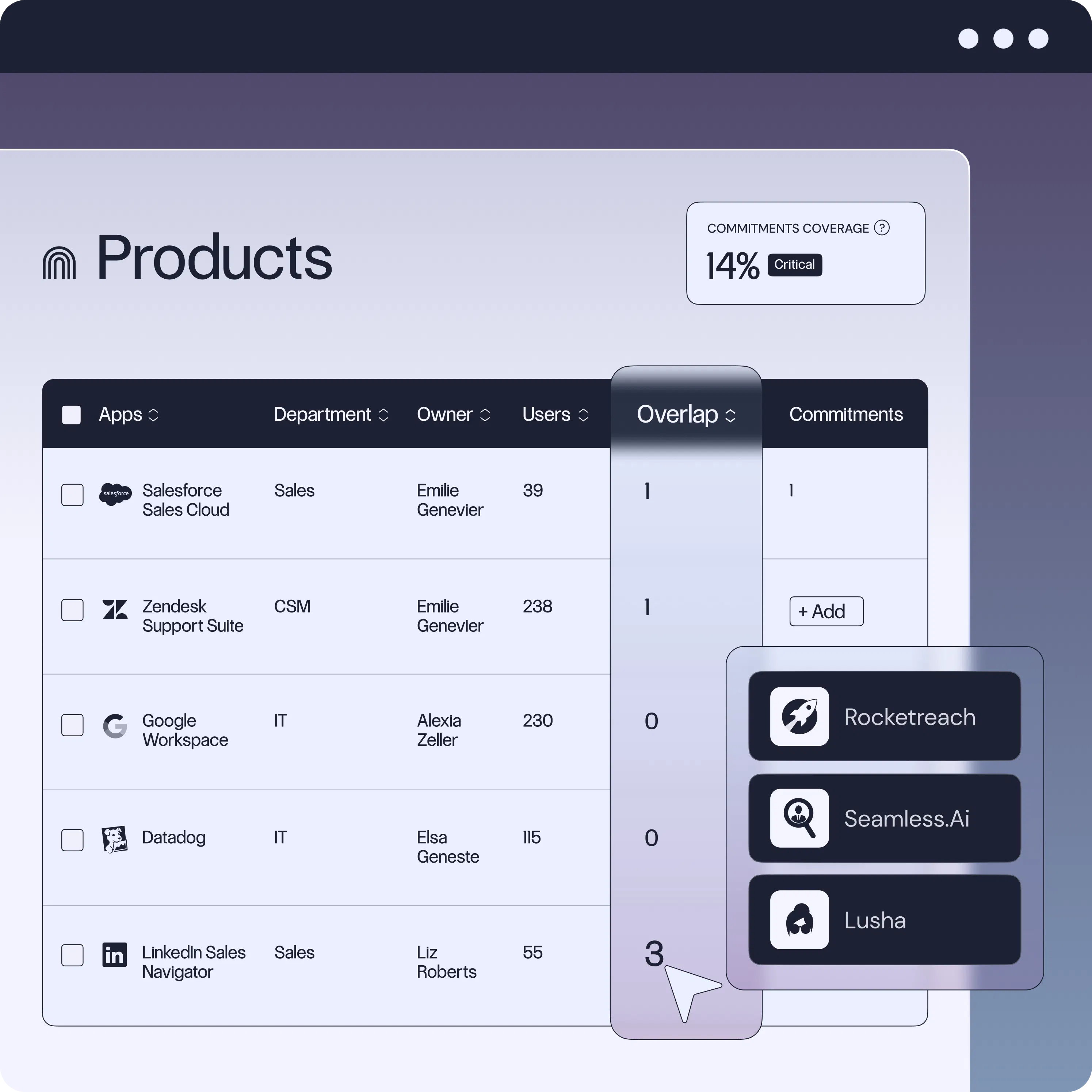
- License management
Software licenses are one of the most common sources of SaaS waste. As employees join, leave, change roles, or switch tools, licenses often remain active long after they're needed.
Effective license management focuses on understanding who has access to what, how frequently software is being used, and whether current subscription levels align with actual demand. By monitoring utilization and identifying inactive users, organizations can reclaim unused licenses and rightsize subscriptions before renewal periods arrive.
A little license housekeeping can go a surprisingly long way.
In many organizations, simply removing unused seats can unlock significant savings without impacting productivity.
- Renewal management
Software renewals have a habit of appearing at the worst possible moment.
One day everything seems under control, and the next you're facing an auto-renewal notice for a tool nobody has reviewed in months.
Renewal management ensures organizations stay ahead of upcoming contract deadlines. Rather than reacting at the last minute, teams can evaluate software performance, review usage data, assess business needs, and prepare negotiations well in advance.
This proactive approach helps prevent unwanted renewals, and gives you greater leverage when discussing pricing and contract terms with vendors.
When you know what's renewing and when, you can negotiate from a position of strength and not get flustered during the sales call.
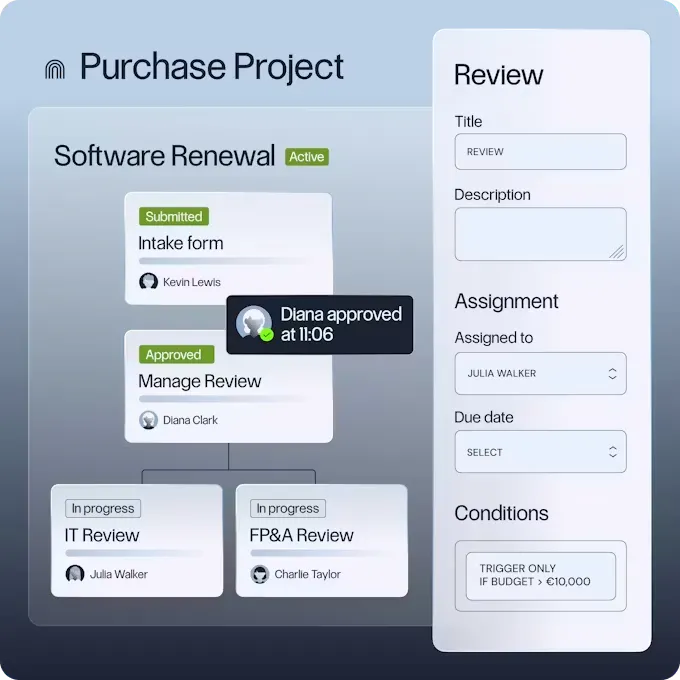
- Vendor management
The average organization works with a growing network of software vendors, each with its own contracts, pricing structures, renewal cycles, and support processes.
Vendor management brings structure to these relationships by centralizing contract information, tracking vendor performance, and maintaining clear lines of communication. It helps organizations evaluate whether vendors are meeting expectations and delivering value relative to their cost.
Strong vendor management also supports better decision-making when contracts come up for renewal.
With access to historical performance data and spending information, teams can make more informed choices about which vendor relationships to expand, renegotiate, or retire.
- SaaS spend management
As SaaS portfolios expand, software spending can quickly become one of the largest operational expenses within a business. Without proper oversight, costs often increase gradually through duplicate tools, unnecessary licenses, and subscriptions that no longer serve a clear purpose.
SaaS spend management focuses on understanding where software budgets are being allocated and identifying opportunities to improve efficiency.
What Problem Does SaaS Management Solve?
Cloud software makes it easy for your teams to access the tools they need, but it also makes it easy to lose track of what's being used across the business.
What starts as a few subscriptions can quickly turn into dozens (or even hundreds) of tools scattered across different teams and budgets.
One of the biggest problems SaaS management solves is uncontrolled software spending.
SaaS costs rarely spike overnight. Instead, they grow gradually as different departments purchase tools to solve specific problems. Marketing adopts one platform, sales signs up for another, and HR adds a third. Each purchase may make sense on its own, but together they can create unnecessary costs.
Over time, organizations often end up paying for duplicate tools, unused licenses, overlapping functionality, and subscriptions that are no longer needed.
Automatic renewals can make the problem even worse, allowing software contracts to renew before anyone has reviewed whether the tool is still delivering value.
SaaS management also helps address Shadow IT, aka software that employees or departments purchase without going through approved procurement or IT processes.
While these tools may help employees work more efficiently, they can create security risks, compliance issues, duplicate spending, and data management challenges.
SaaS management helps reduce Shadow IT by improving visibility and creating clear processes for software purchasing and approval.
Another common challenge is a lack of visibility.
Many organizations simply don't know how many SaaS applications they use. Information is often spread across contracts, expense reports, finance systems, and department budgets. Without a complete inventory of software, it's difficult to understand where money is being spent or identify opportunities to reduce waste.
SaaS management solves a visibility and control problem.
It helps you understand what software you have, who owns it, how much it costs, and whether it's being used effectively. With that visibility, you can reduce waste, improve governance, and get more value from your software investments.
Benefits of SaaS Management
Organizations that implement SaaS management often experience significant operational and financial improvements.
- Reduce software spend
One of the most immediate benefits is cost reduction.
By identifying unused licenses you can get rid of pesky duplicates and optimize your subscriptions that will help you drastically reduce your software waste without sacrificing productivity or automation.
- Improve financial visibility
Centralized software data provides a clearer understanding of spending patterns.
Finance teams gain visibility into where money is being spent, which vendors represent the largest investments, and where future costs are likely to arise.
This supports more accurate budgeting and forecasting.
- Increase efficiency
When software information is centralized, you can spend less time searching for contracts, chasing renewal dates, and reconciling spreadsheets.
Processes become more streamlined, reducing administrative burden across finance, procurement, IT, and operations.
- Strengthen security
Visibility can be your strongest defense against software-related risk.
SaaS management helps you identify unauthorized applications, monitor approved software usage, and maintain stronger governance practices.
- Improve renewal outcomes
When you manage renewals proactively, your subscriptions aren’t just expensive renewals you’re stuck with, rather they are exactly what you need (and closer to the price you want).
With visibility into upcoming contracts and software performance, you can negotiate from a stronger position and avoid rushed purchasing decisions.
How to Build a SaaS Management Strategy
Building a successful SaaS management strategy doesn't need to happen overnight.
As a matter of fact, your SaaS management strategy should be built thoughtfully following clear steps in order to be successful. The goal isn't to gain perfect control immediately, it's to create the processes you need to manage your software portfolio.
Step 1: Create a SaaS inventory
The foundation of any SaaS management strategy is visibility.
Before you can optimize software spending or improve governance, you need the full picture of the tools that are currently being used across your organization. Many companies are surprised to discover just how many subscriptions exist once they begin looking beyond IT-managed software.
Start by identifying every SaaS application currently in use.
This includes software purchased through procurement processes as well as tools acquired directly by individual departments. Your inventory should capture key information such as application names, vendors, costs, contract details, subscription plans, owners, renewal dates, and payment methods.
This inventory will be the foundation for everything that follows.
Step 2: Establish ownership
Answer a tricky question: who actually owns this tool?
Without a designated owner, important tasks can easily fall through the cracks. Renewals get missed, licenses go unused, and nobody really takes responsibility to check whether a tool is still providing value or has become irrelevant.
Every application should have a clearly assigned business owner.
This person doesn't necessarily need to manage the software day to day, but they should be responsible for understanding its purpose, monitoring its usage, and making decisions about renewals, upgrades, or cancellations.
Step 3: Track usage and adoption
Once you know what software you have and who owns it, the next step is understanding how it's actually being used.
More often than not, you will find that a significant portion of your software licenses are barely being used and yet they’re still being renewed. For instance, a tool may have been purchased for a project that has ended, or a department may be paying for more seats than it currently needs.
Tracking usage and adoption helps identify these opportunities.
By monitoring use rates, login activity, and license consumption, you can better understand whether software investments are delivering the expected return.
This information is especially valuable before renewal periods. Rather than relying on assumptions or anecdotal feedback, you can use real data to determine whether a subscription should be expanded, reduced, or discontinued.
Step 4: Centralize Renewal Management
Renewals are one of the most important moments in the software lifecycle. They provide an opportunity to reassess value, negotiate pricing, and make strategic decisions about future software investments.
Unfortunately, renewals are usually managed reactively. Contracts are reviewed only when a renewal notice arrives, leaving little time for analysis or negotiation.
A better approach is to centralize renewal management and create a structured process around upcoming contracts. Establish review timelines well in advance of renewal dates and ensure you have enough time to assess usage, evaluate alternatives, and determine whether the software continues to meet business needs.
When renewals are managed proactively, you avoid surprise costs and gain greater leverage during vendor negotiations. Instead of rushing to make decisions, you can tackle renewals strategically.
Step 5: Implement procurement process
Did you know enterprises have 177 applications on average?
When your SaaS stack grows so much, consistency is of the utmost importance.
Without clear policies, software purchasing decisions can vary widely between departments.
Different teams may evaluate vendors differently, follow different approval processes, or purchase tools without considering existing solutions already available within the organization.
Governance policies help create structure and alignment. These policies may include software approval workflows, procurement reviews, vendor evaluation criteria, budget requirements, and security assessments.
The goal isn't to create unnecessary bureaucracy. Effective governance helps organizations balance flexibility with control, ensuring teams can access the tools they need while maintaining visibility and accountability across the business.
Step 6: Use automation
Managing SaaS manually has become increasingly difficult.
Tracking contracts in spreadsheets, setting calendar reminders for renewals, and manually updating software inventories can quickly become time-consuming and error-prone.
Automation helps you scale your SaaS management efforts without increasing administrative workload. Automated discovery can identify new applications as they enter the environment, while automated renewal alerts ensure important deadlines don't go unnoticed.
Automation also improves data accuracy and provides real-time visibility into software usage, spending, contracts, and vendor relationships. Instead of spending time gathering information, teams can focus on analyzing it and making better decisions.
Ultimately, a successful SaaS management strategy combines people, processes, and technology.
How to Choose the Best SaaS Management Platform
Not all SaaS management platforms offer exactly what you need, so it's important to look beyond marketing claims and evaluate how well a solution supports your organization's needs.
The right platform should provide a complete view of your SaaS ecosystem while helping teams across finance, procurement, IT, and operations work together more effectively.
At a minimum, a strong SaaS management platform should offer core features such as SaaS discovery, spend visibility, license management, renewal tracking, vendor management, and reporting.
These features work together to give organizations greater control over their software portfolio, helping them reduce waste, improve governance, and make more informed purchasing decisions. Rather than relying on multiple spreadsheets and disconnected tools, the best platforms bring all of this information together in a single system.
As you evaluate vendors, it's worth asking a few practical questions.
- How does software discovery work?
- How are renewals tracked and managed?
- Which systems and tools integrate with the platform?
- How quickly can organizations identify savings opportunities?
- What level of support is provided during implementation?
The best SaaS management platforms don't just collect data, they make that data useful. Look for solutions that are easy to deploy, provide actionable insights, and support collaboration across departments.
A strong platform should help you make better decisions and increase your SaaS ROI.
Most importantly, the right solution should simplify SaaS management. If a platform creates more manual work, more complexity, or more systems to manage, it's likely solving one problem while creating another.
The best SaaS management platforms bring clarity, visibility, and control to an increasingly complex software environment.
Best SaaS Management Tool
For mid-market companies and larger enterprises, SaaS management is no longer just about tracking software licenses.
It's about understanding where money is being spent, managing vendor relationships, avoiding expensive renewals, and ensuring every software investment meets your expectations.
That's where Najar stands out.
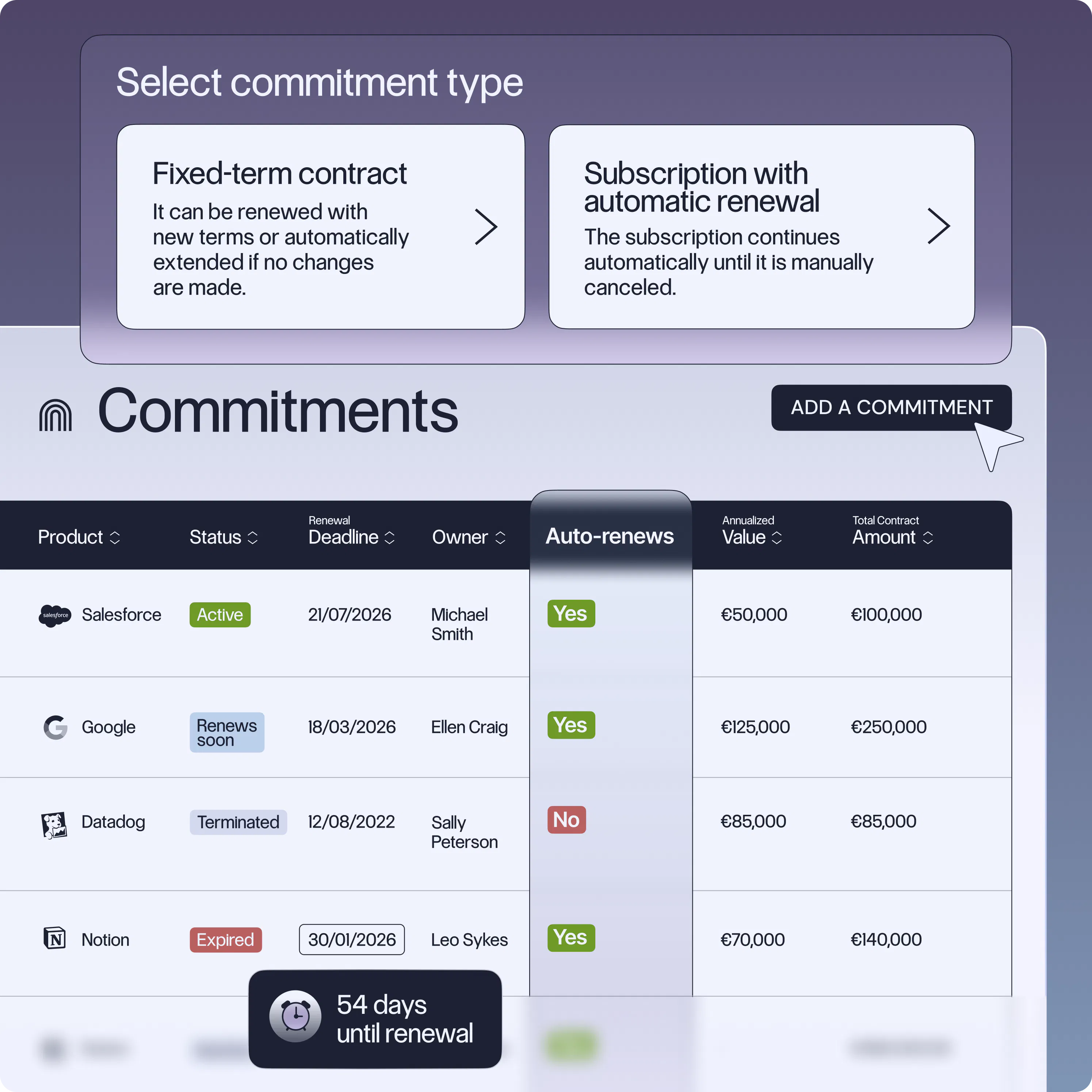
Najar combines SaaS spend management, procurement workflows, contract management, and vendor negotiation support in a single platform. This gives finance, procurement, IT, and operations teams a shared view of software purchases and spending across the organization.
Najar helps you centralize software requests, approvals, contracts, and renewals. Instead of relying on spreadsheets, emails, and disconnected systems, businesses gain a clear view of vendor relationships, upcoming renewals, contract obligations, and software spend across departments.
Najar also has deep procurement expertise.
In addition to providing software and spend visibility, Najar gives customers access to experienced IT procurement specialists who help source vendors, benchmark pricing, and negotiate contracts. This allows you to approach renewals and new purchases with better market data and stronger negotiating power.
The platform also helps you improve your purchasing process thanks to structured intake-to-procure workflows, automated approval processes, collaborative decision-making, and centralized contract management.
If you’re struggling with SaaS sprawl, fragmented purchasing processes, or rising software costs, Najar provides more than visibility alone.
It helps you build a structured and automated process to manage software purchases, control spend, and make better vendor decisions over time.
For real Najar results,
Build a Smarter SaaS Stack With Najar
SaaS has become essential to modern business, but growing software portfolios bring growing complexity.
Without a structured approach, you can find yourself struggling with duplicate tools, unused licenses, surprise renewals, and limited visibility into software spending.
Effective SaaS management solves these challenges by combining visibility, governance, and optimization into a single strategy. With the right processes and technology, you can reduce waste, improve decision-making, strengthen compliance, and maximize the value of every software investment.
If you're ready to take control of your SaaS ecosystem, Najar can help you centralize software management, optimize spending, and bring clarity to an increasingly complex software landscape.
Frequently Asked Questions About SaaS Management
What is SaaS management?
SaaS management is the process of overseeing and optimizing all software-as-a-service applications used within an organization. It includes discovery, usage tracking, license management, renewals, vendor management, compliance, and cost optimization.
What is a SaaS management platform?
A SaaS management platform is a software solution that helps organizations manage their SaaS applications from a centralized location. It provides visibility into software inventory, licenses, spending, contracts, and renewals.
What is SaaS spend management?
SaaS spend management focuses specifically on controlling and optimizing software-related expenses. It helps organizations reduce waste, improve budgeting, and maximize software ROI.
Why is SaaS management important?
SaaS management helps organizations reduce software waste, improve visibility, strengthen security, manage renewals proactively, and ensure software investments deliver value.