
Your SaaS stack is probably costing more than it should.
Unused licenses, forgotten subscriptions, duplicate tools, and automatic renewals can quietly drain your software budget over time. SaaS cost optimization helps you find that waste and make sure every tool earns its place in your stack.
→ 💻 For a broader look at the discipline this fits into, see our guide on SaaS spend management.
What Is SaaS Cost Optimisation
SaaS cost optimisation means regularly cutting unnecessary software costs and making sure every tool you use brings real value.
This includes removing unused licenses, renegotiating contracts, and combining tools that do the same job.
Cost optimisation is not a one-time task. SaaS subscriptions renew on their own, teams often add new tools without approval, and how people use software changes all the time. A strategy that works now might be out of date in six months if no one keeps an eye on it.
Difference Between SaaS Cost Optimisation and SaaS Spend Optimisation
People often use these two terms as if they mean the same thing, but they actually cover different areas.
SaaS cost optimisation is all about lowering what you pay for software. This can mean cutting unused licenses, choosing the right plans, or getting better contract terms.
SaaS spend optimisation is a bigger concept. It looks at the whole process of buying and managing software, from choosing vendors and setting budgets to making sure everything is well managed. Cost optimisation is just one part of this larger strategy.
Knowing the difference is important because it affects who needs to be involved. Teams or IT can often handle cost optimisation, but spend optimisation usually needs input from finance, procurement, and department leaders.
Why SaaS Cost Optimisation Matters in 2026
SaaS spending continues to increase, and so does the number of applications companies need to manage.
With software purchases spread across multiple teams, it's becoming harder to control costs, track usage, and avoid duplicate subscriptions.
At the same time, finance teams are under greater pressure to justify every recurring expense. Add to that the rapid adoption of AI tools, rising software prices, and automatic renewals, and it's easy for SaaS costs to grow unnoticed.
This is why SaaS cost optimisation is more important than ever. Najar now analyzes more than €6 billion in SaaS spend and has completed over 3,500 vendor negotiations, giving organizations the data they need to benchmark pricing, negotiate better contracts, and eliminate unnecessary spend.
Without a structured optimisation process, software costs continue to accumulate. With the right visibility and governance, businesses can reduce waste and get more value from every subscription.
Who Is Responsible for SaaS Cost Optimisation
SaaS cost optimisation usually isn’t handled by just one department. It takes teamwork among finance, procurement, IT, and business teams to ensure software investments continue to deliver value.
Finance teams usually manage the software budget and watch spending trends. They spot rising costs, measure ROI, and find ways to save money without hurting business performance.
Procurement teams work to buy software at the best price. They handle contract negotiations, manage renewals, compare vendors, and ensure every purchase complies with company policies.
IT teams keep track of the company’s SaaS stack. They monitor software use, manage licenses, reduce shadow IT, and ensure apps meet security and compliance standards.
Department managers add business context. Because they work closely with daily users, they help decide which tools are essential, underused, or can be combined.
As organizations grow, coordinating all of these responsibilities manually becomes increasingly difficult. That’s why many businesses turn to SaaS spend management platforms that centralize software inventory, contracts, renewals, usage data, and vendor negotiations in a single place.
→ 💻 Looking for a dedicated solution? Learn how SaaS spend management software can help automate cost optimisation, improve visibility, and reduce software spend across your organization.
What Are The Benefits Of SaaS Cost Optimisation
SaaS cost optimisation means making sure each application is worth its cost. When done regularly, it helps manage finances, streamlines operations, and gives teams the insight they need to make better purchasing decisions, a few advantages include:
1. Reduced costs
The first benefit is lower software spending. By finding unused licenses, duplicate apps, and subscriptions that are no longer needed, companies can cut costs without hurting productivity. Often, these savings can be used for more valuable projects.
2. Lower business risk
Regularly reviewing your SaaS portfolio also helps lower operational and security risks. By removing shadow IT, eliminating unmanaged apps, and vetting vendors for security and compliance, you create a safer, more controlled software environment.
💡 Tip
SaaS cost optimisation is not a one-time task. Set up quarterly reviews of your software portfolio to find unused licenses, get ready for renewals, and spot new ways to save before costs affect your budget.
3. Increased visibility
Optimizing your SaaS stack also gives you a clearer picture of software use and spending across the company. It becomes easier to find forgotten subscriptions, duplicate purchases, and tools that were only needed for short-term projects but never canceled.
4. Greater operational efficiency
Consolidating applications with similar functions brings together apps with similar features, reducing software sprawl and making daily work simpler. Employees spend less time switching between tools, and IT teams have fewer platforms to manage and secure. This consolidation cover:
- Duplicate tools used by different departments
- Applications with overlapping features
- Software that is no longer actively used
- Multiple subscriptions purchased for the same purpose
Getting rid of these extra tools leads to a simpler, easier-to-manage software stack.
5. Better scalability
As your business changes, your software stack should too. By reviewing subscriptions regularly, you can adjust licenses based on real needs. This helps you avoid paying for unused capacity or rushing to add licenses when your business grows.
6. More value from every subscription
Instead of asking, “Can we afford this tool?”, SaaS cost optimisation prompts a better question: “Is this tool providing enough value?” This change helps organizations maintain a lean software portfolio in which every app serves a clear business purpose.
7. Stronger vendor negotiations
Another advantage is increased negotiating power. When you know exactly how a product is being used, what you paid previously, and when the contract renews, you're in a much stronger position to negotiate pricing, licensing terms, and contract conditions with vendors.
💻 Negotiation tip
Start renewal discussions 60 to 90 days before the renewal date. Vendors are typically more willing to offer discounts, flexible licensing terms, or additional features before you're automatically locked into another contract period.
8. Improved budget management
SaaS cost optimisation also helps organizations plan budgets better. Rather than renewing every contract automatically, finance and procurement teams can focus on the software that brings the most value and shift spending to where it matters most.
6 SaaS Spend Management Strategies You Can Implement Today
Managing SaaS spending well isn’t about a single big change. It’s about building habits that help you control costs over time. The tips below can help you cut unnecessary spending and get more value from your software.
1. Audit your SaaS stack regularly
You need a clear view of your SaaS tools before you can improve your spending. Begin by listing every SaaS application your company uses, and compare the number of licenses you’ve bought with how many are actually being used.
Check for accounts that aren’t being used, duplicate subscriptions, and software that no longer helps your business. Also, set up clear rules for buying new software so every purchase is approved and you avoid hidden or untracked tools.
2. Stay on top of license management
Managing licenses doesn’t end when you sign a contract. As employees come and go and teams change, your software needs will change too.
Set up reminders for users who aren’t active, and create a rule to take back licenses after 30 or 60 days without use. This way, you only pay for software people are actually using.
3. Right-size every subscription
Most employees don’t need the most expensive software plans. Talk with department leaders often to find out which tools and features their teams really use.
Many vendors offer user-based licenses or different pricing levels. This lets you move users to lower-cost plans if they don’t need advanced features, so you don’t pay premium prices for everyone.
4. Treat every renewal as a negotiation
A lot of companies just accept renewal quotes, but renewals are a great chance to lower your SaaS costs.
Look at past prices, how much you use the product, and what others are paying to help you get better deals. If your company is growing, share your plans, vendors might give you better prices for a longer contract. Sharing customer stories or feedback can also help you negotiate.
5. Improve cost visibility
Make sure each software expense is linked to the right team, department, or project. When costs are tracked accurately, finance and procurement can see where SaaS budgets go and spot overspending faster.
Many SaaS spend management tools can automate this by tracking costs, usage, renewals, and ownership all in one place. This makes it easier to watch your spending and find ways to save.
6. Consolidate overlapping tools
As companies get bigger, different departments often buy software for the same purpose. This can lead to paying twice for similar tools and make things more complicated than they need to be.
Look over your SaaS tools to find apps with similar features. Combining these tools can reduce your software costs and simplify workflows, training, and IT management.
SaaS Tools Can Help With Your Cost Optimisation
Spreadsheets work for tracking a few subscriptions, but they quickly become unmanageable as a company adds more tools.
SaaS management platforms are designed to centralize visibility, automate tracking, and highlight savings opportunities that would otherwise be hidden in scattered invoices and forgotten free trials.
This is especially important for larger organizations, where SaaS sprawl across departments makes manual tracking almost impossible.
→ 💻 Read our guide on reducing SaaS spend in large organizations covers the specific challenges that come with scale and how to address them.
Keep Your SaaS Cost Optimisation Under Control With Najar
Most companies realize they're spending too much on SaaS, but they often lack the time, know-how, or tools to fix it for good.
That's where Najar comes in.
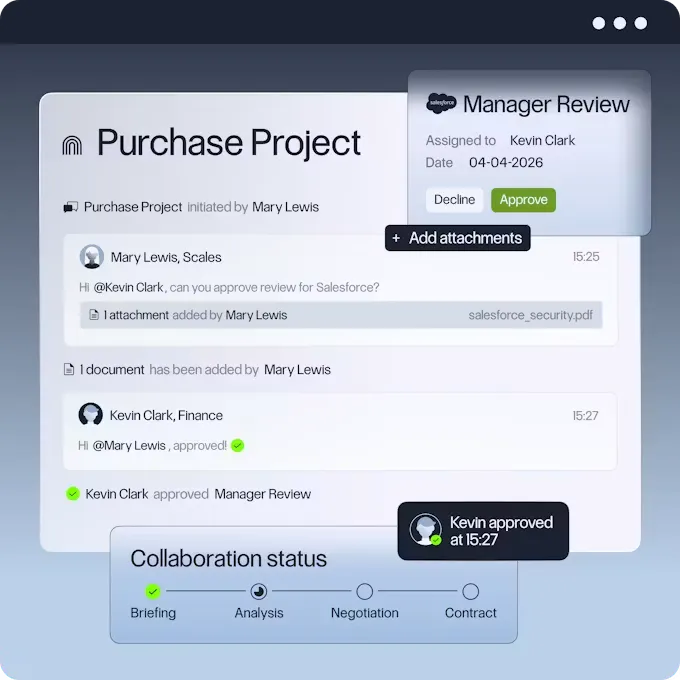
Najar combines procurement workflows and spend optimisation, giving you control over both new purchases and current expenses.
SaaS Savings Guaranteed
Most cost optimisation guides stop at strategy. Najar goes further.
Every optimisation plan is paired with expert negotiation support, meaning the team that identifies the savings opportunity is the same one accountable for closing it.
The results speak for themselves: x10 return on investment for Vusion, €800K total value delivered for ThomGroup, 16% saved by Backmarket.
For teams that have tried cost optimisation before and seen the initiative lose momentum after the first audit, this is the difference. A guarantee turns SaaS savings from a project into a result.
If you're ready to stop guessing and start taking control of your SaaS stack, try our SaaS savings estimator to see what you could save.
See how Najar has helped other companies get their SaaS stack under control