
Did you know the average business wastes 20–30% of SaaS budget on unused tools?
When you have several departments, each with their own tool stack, managing subscriptions can become ineffective. And expensive.
The best SaaS spend management platform will help you save up to 36% of your expenses on software.
What is a SaaS Spend Management Platform?
A SaaS spend management platform is a tool that will help you track and control the amount of money you spend on your tool stack.
Think of a SaaS spend management platform as the finance team's version of a house audit, but instead of finding forgotten subscriptions to streaming services you haven't touched in two years, you're doing it at a company scale.
More specifically, it's a tool that helps you track and control every dollar your business spends on software. Because inevitably, your business runs on subscriptions like Slack, Notion, Google Workspace, Salesforce, QuickBooks… The list is long.
And as your team grows, so does the sprawl.
Your business probably needs a CRM, HR management, a DMS, accounting software, a CMS, marketing automation platforms… and that's just for starters. Without a centralized system, keeping track of what's being used, what it costs, and when contracts renew becomes a full-time job in itself.
SaaS spend management platforms solve this problem by pulling all your subscription data into a single dashboard.
Finance teams can view active subscriptions, track contracts and renewals, monitor license usage, and finally get a clear picture of where the software budget is actually going.
They also shine a light on the quiet budget leaks, like paying for 200 software licenses when only 80 people are actively using the tool, or discovering two departments independently bought the same thing.
How Does This Tool Impact Your Business
The impact goes beyond just trimming costs. SaaS spend management platforms bring order.
Think of it less like cutting spending and more like finally organizing a very messy drawer. Suddenly everything works better.
For starters, it simplifies the finance team's life. All invoices, spreadsheets, and records live in one place, making it far easier to understand where money is going and whether each tool is actually earning its keep.
It also transforms financial planning. When you have a clear, real-time view of your software expenses, budget forecasting stops being a guessing game. Predictable renewals and contract timelines mean fewer nasty surprises at the end of the quarter.
Then there's the contract renewal trap. One of the sneakiest budget drains out there.
Many software providers auto-renew annual contracts unless you cancel before a specific deadline. Miss it, and you're locked in for another year on a tool you forgot you had. Spend management platforms send renewal alerts well in advance, giving teams enough time to renegotiate, cancel, or simply make an informed decision.

That visibility also strengthens your hand in vendor negotiations. When procurement teams can walk into a conversation with data on usage patterns and pricing benchmarks, they're no longer negotiating blind.
Another underrated benefit? Tackling shadow IT. This is the software employees quietly buy or sign up for without IT or finance knowing, often with good intentions, but creating security gaps and budget black holes in the process.
Spend management platforms help surface these tools and bring them into a proper approval process.
Finally, automation ties it all together. Purchase approvals, invoice processing, reporting, much of the manual back-and-forth gets handled automatically, freeing up your finance and procurement teams to focus on decisions that actually need human judgment.
Why SaaS Spend Management is Important
SaaS spending has quietly become one of the fastest-growing operational costs for businesses today.
As companies adopt more cloud-based tools to support remote work, digital collaboration, and data-driven decision making, software budgets keep creeping upward. Much faster than you realize.
But the spending itself isn't the problem. The lack of visibility into it is.
Without centralised tracking, organisations run into the same handful of issues, over and over.
Duplicate subscriptions are a classic one. For example, a team could sign up for Asana, in the mean time, another is already paying for Monday.com, and nobody connected the dots. Same product, double subscriptions, and more than 5 seats in each.
Unused licenses are another quiet budget drain: companies buy 200 seats, 80 people actually log in, and the other 120 just sit there costing money every month.
Then there's the contract renewal trap. Most SaaS tools auto-renew annually (sometimes with a price increase baked in) and if no one's watching the calendar, you're locked in for another year before you've had a chance to question whether you still need it.
There's also a newer, trickier layer to this: pricing opacity.
SaaS pricing has always shifted around more than you'd expect, but the rise of AI has made it genuinely murky. Vendors are bundling AI features into existing plans, introducing usage-based pricing models, and quietly adjusting tiers in ways that don't always make the changelog. What you paid last year may look nothing like what lands in next quarter's invoice.
And beyond the finances, unmanaged software creates security headaches too. When employees sign up for tools without IT oversight sensitive company data can end up sitting in unapproved applications. That's a compliance risk waiting to happen.
SaaS spend management platforms address all of this: the financial sprawl, the duplicate tools, the surprise renewals, the pricing volatility, and the shadow IT. By consolidating everything into one place and automating the tedious bits, organisations finally get the visibility they need to make smarter calls on their software investments.
Who Needs SaaS Spend Management
SaaS spend management tools are valuable for many teams and departments within an organization.
As software usage grows across departments, multiple users benefit from having clear visibility and control over SaaS spending.
- Finance teams
Finance teams are the ones ultimately accountable when the software budget balloons without explanation.
SaaS spend management platforms give them a clear, real-time overview of what's being spent, where, and why, so they're not piecing together the picture from a dozen different spreadsheets at the end of the quarter.With accurate data on subscription costs, renewal dates, and usage levels, finance leaders can spot trends early, cut what isn't pulling its weight, and build budgets they can actually stand behind.
- Procurement teams
Procurement's job is to make sure the business gets what it needs without overpaying or going rogue. And SaaS is one of the hardest categories to wrangle.
Spend management platforms bring structure to the chaos. Instead of chasing approvals over email or maintaining a spreadsheet that's always one version behind, procurement teams get automated workflows for reviewing requests, comparing vendors, and tracking negotiations.
The result: better contracts, consistent purchasing policies, and vendor relationships that are actually managed rather than just inherited.
- IT and security teams
For IT, the nightmare scenario is finding out a team of 20 has been storing sensitive data in a tool nobody approved. SaaS spend management platforms give IT a centralized inventory of every application in use, including the ones that snuck in through the side door.
With that visibility, they can make sure software meets security standards, stays compliant with internal policies, and that shadow IT gets surfaced before it becomes a liability.
- Department budget holders
This one often gets overlooked, but it might be the most felt on the ground.
When a Marketing Manager wants to bring in a new tool, what should be a straightforward request can turn into a weeks-long odyssey. Emails to their manager, sign-off from legal, a detour through the DPO, back for final validation. By the time it's approved, the moment may have passed.
A good SaaS spend management platform streamlines this entire intake and approval process.
Budget holders can submit requests directly through the platform, and those requests get automatically routed through the right approval chain (however many levels that requires) without anyone chasing anyone.
Teams move faster, and the business still gets the oversight it needs. Everyone wins.
- Growing startups and scale-ups
Fast-growing companies have a particular vulnerability here: the same energy that drives rapid tool adoption can quietly balloon into a subscription sprawl that nobody has a handle on.
When new departments are spinning up and everyone's solving problems on the fly, it's easy to end up with duplicate tools, orphaned licenses, and a software bill that grows faster than the headcount.
Implementing a spend management platform early, before the sprawl takes hold, is one of those decisions that pays for itself many times over as the company scales.
7 SaaS Spend Management Platforms
Before selecting a SaaS spend management platform, it’s important to understand the features that make these tools valuable.
Not all SaaS spend management platforms are built the same, and the difference between a good one and a great one often comes down to the features under the hood.
The right platform should give your team full visibility into software spending, help automate procurement processes, and actively reduce unnecessary costs. Here's what to look for:
- SaaS subscription tracking
The foundation of any good platform: a centralised dashboard that shows every active subscription across the organisation. Think of it as the single source of truth for your tool stack, the place where duplicate Slack-equivalents and forgotten licenses have nowhere to hide.
- Contract and renewal management
Contracts have a nasty habit of auto-renewing at the worst possible time.
A solid platform tracks contract terms, renewal dates, and pricing agreements, and sends automated reminders well before the deadline, so your team has time to renegotiate, cancel, or at least make a conscious decision rather than an accidental one.
- Automated approval workflows
This is what turns a chaotic, email-based approval process into something that actually works.
Software purchase requests get routed through the right channels automatically (through managers, legal, the DPO, whoever needs to sign off, without anyone having to chase anyone down. Less friction, faster decisions, full compliance.
- Vendor negotiations
This is where a strong platform can go well beyond software and save you real money on your contracts. Some providers offer dedicated negotiation services. They work directly with vendors on your behalf to secure not just better pricing, but better terms overall.
It's worth knowing that these services vary significantly across the market. Some providers bring deep IT expertise to the table, which matters when you're negotiating technical contracts where the details can be just as valuable as the headline price.
Others lean more toward account management or general procurement experience, which can work fine for simpler tools but may leave money (and leverage) on the table for more complex ones.
A few only offer negotiations for a limited number of vendors, so it's worth checking the scope before assuming full coverage.
- Usage tracking and license optimisation
How many of your licenses are actually being used?
This feature gives you the answer, and usually, the answer is humbling. By tracking how frequently tools are used and whether seats are being utilised, you can cut unused licenses, downgrade plans, and stop paying for access nobody needs.
- Financial analytics and reporting
Good data turns reactive spending into proactive strategy. Detailed reports on SaaS spending trends, department-level budgets, and cost-saving opportunities give finance teams the insights they need for better planning.
- Integrations with accounting software
A spend management platform that doesn't talk to your existing financial systems creates more work, not less. Seamless integrations with accounting platforms and expense tools ensure accurate reporting and cut down on the manual data entry that nobody enjoys.
- AI-driven cost optimization
Some platforms now use AI to analyse spending patterns, flag inefficiencies, and surface recommendations you might not have spotted yourself. Given how quickly AI is reshaping SaaS pricing models, having a tool that can keep up with that complexity is increasingly less of a nice-to-have.
Choosing the right platform is about finding one that fits how your organisation actually works, and grows with you as that changes.
1. Najar
⭐⭐⭐⭐⭐ Ratings
G2 4.6/5 | Capterra 4.85/5
Overview
Najar is a procurement and SaaS spend management platform designed to help you optimize your total SaaS and other indirect purchase costs, helping you to save up to 36% of your expenses and 300 hours in productivity.
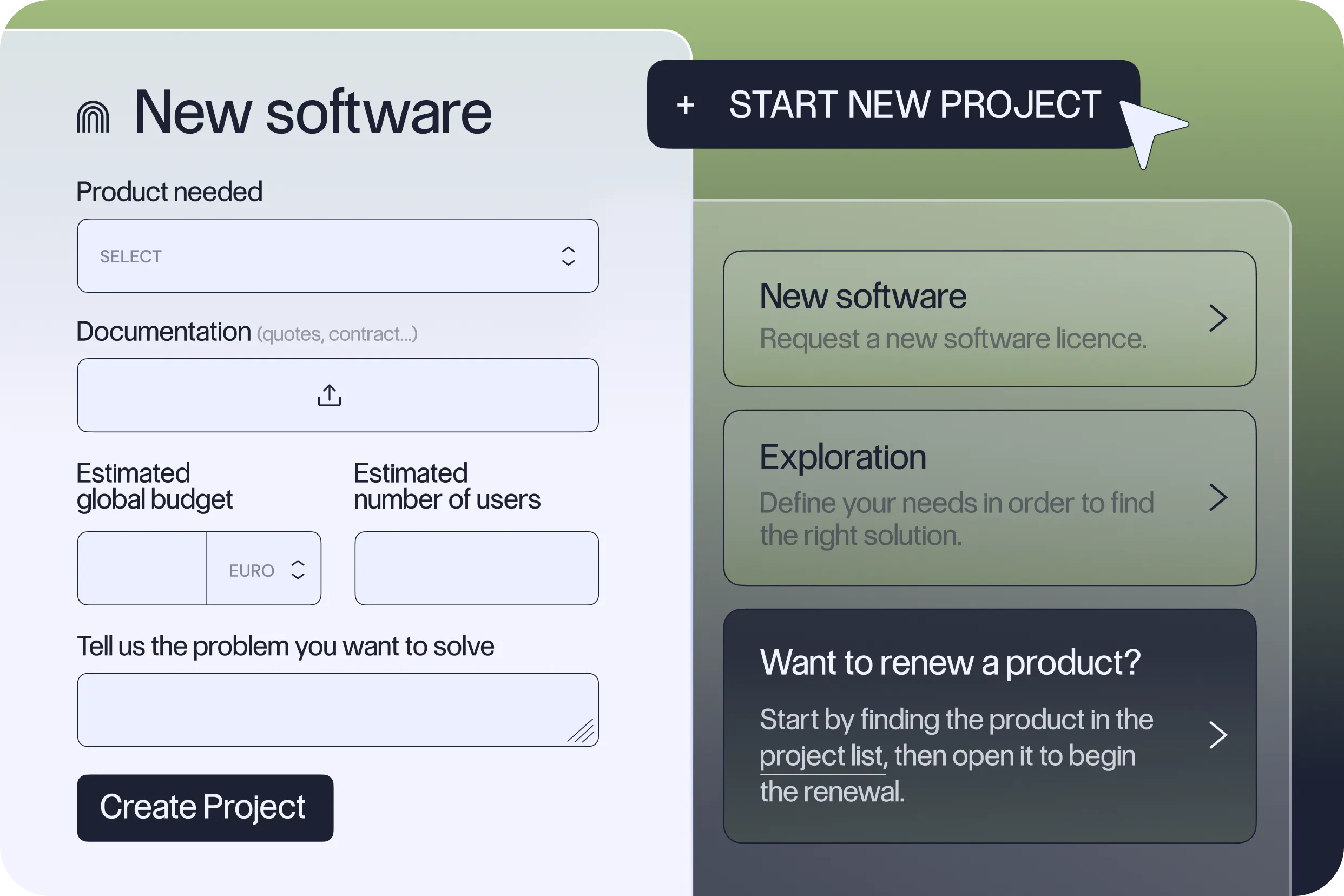
Najar covers the full intake-to-procure cycle. It offers smart purchase requests, which allows your employees to submit requests for new software through a structured workflow.
When an employee needs a new tool, Najar gives that process some backbone. Instead of a Slack message or a vague email chain, requests go through a structured workflow that automatically captures the important details such as budget, vendor information, business justification, before anything gets approved. Everyone who needs to weigh in has what they need from the start.
Once a request is submitted, it gets routed to the right people automatically. This includes finance, procurement, IT security, whoever the decision calls for. No chasing, no bottlenecks, no requests disappearing into someone's inbox for two weeks.
The platform also includes a collaborative approval room, where the actual decision gets made.
Rather than bouncing feedback across email threads, decision-makers can gather in one place to discuss the request, evaluate vendor options, and review contract terms together before anything is signed off. It keeps the conversation organised and the process moving.
Vendor sourcing and procurement support helps you confidently evaluate and select software vendors by organizing vendor data and providing structured procurement processes.
Choosing the right vendor is rarely as simple as a quick Google search, and negotiating with them is a different skill entirely.
Najar's teamof Procurement Partners are expert IT buyers who go beyond just finding the best price. They negotiate the full picture: pricing, yes, but also contract terms, usage rights, support clauses, and the details that don't always make the headline but absolutely affect the value you get. For businesses without a dedicated indirect procurement function, this alone can be a game-changer.
The platform also provides exhaustive contract management. Every vendor agreement, renewal date, and pricing term lives in one centralised repository. No more scrambling to find a contract three days before it auto-renews, and no more paying for tools you thought you'd cancelled six months ago.
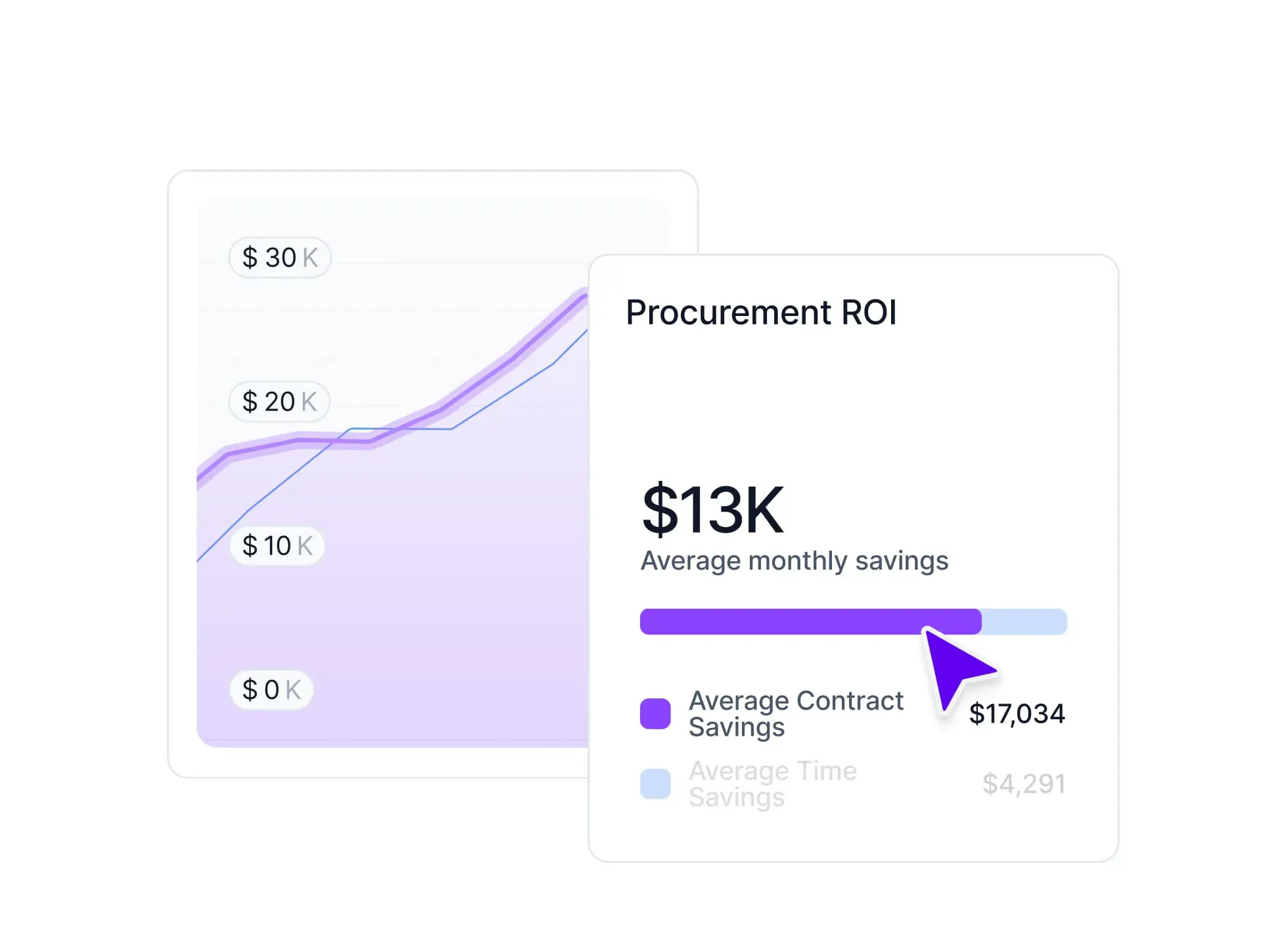
Najar gives finance teams a clear view of SaaS spending across every department, subscription costs, usage patterns, and the opportunities to trim unnecessary spend. Pair that with access to real-world pricing benchmarks, and you're no longer negotiating blind or budgeting on gut feeling. You know what others are paying, and you can plan accordingly.
Najar connects with your existing business tools so data moves freely between procurement, finance, and operations, no manual exports, no reconciliation headaches, no version of the truth that's three days out of date.
Najar is built for growing scaleups, mid-sized companies, and enterprises that are managing an increasing number of SaaS vendors and need more than a spreadsheet to keep up. If your software stack has outgrown your current process, it's designed to bring structure, visibility, and real savings without adding complexity.
You can see for yourself exactly how Najar has helped all customers.
✔️ Pros
- Strong procurement workflow automation
- Centralized vendor management
- Good contract and renewal tracking
- Structured negotiation with SaaS experts
- Clean interface for finance teams
✖️ Cons
- Newer platform compared to larger competitors
- Limited brand recognition
- Focused solely on European market
2. Vertice
⭐⭐⭐⭐ Ratings
G2 4.6/5 | Gartner 4/5
Overview
Vertice is a SaaS spend management and procurement platform that covers the full intake-to-procure lifecycle, from initial purchase request through to vendor selection, negotiation, and contract execution.
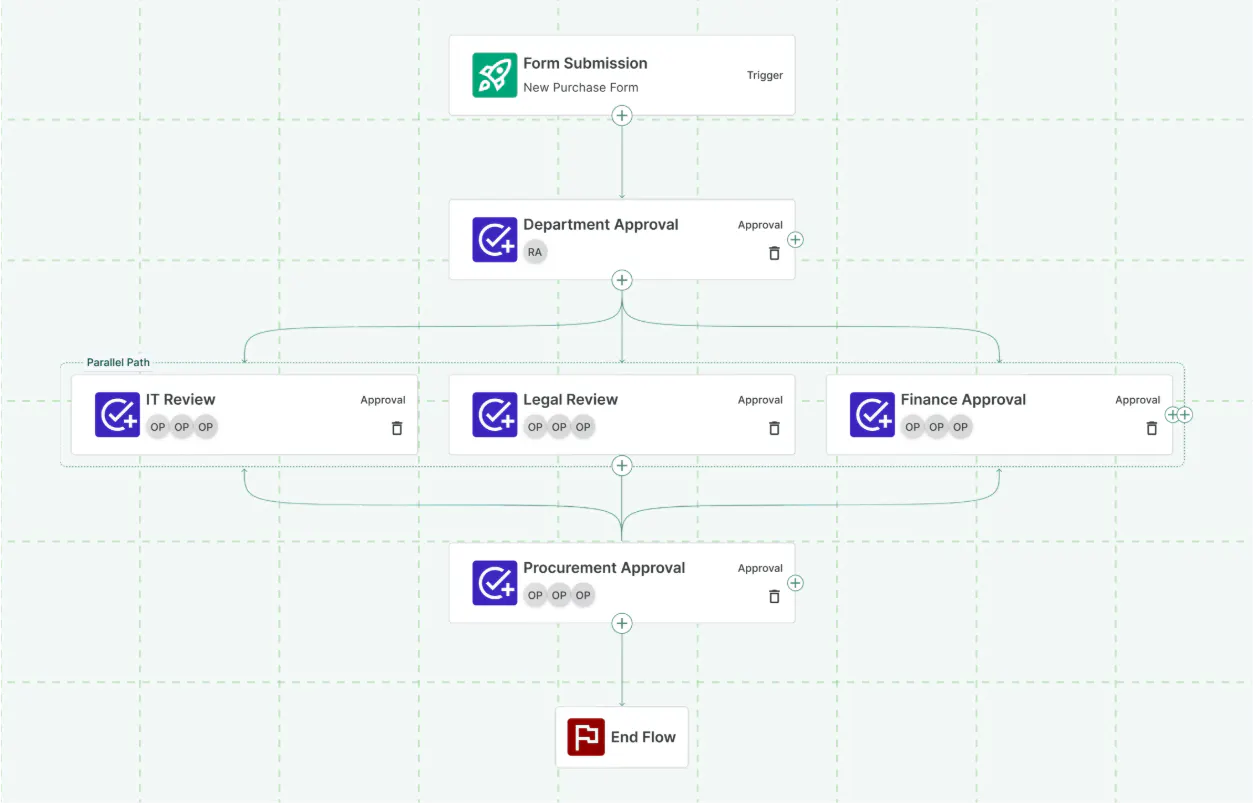
The process starts at the intake stage, where employees submit purchase requests through customizable forms that capture budget, vendor, and use case details upfront. From there, requests move through configurable approval workflows, with pre-built templates available for procurement, finance, legal, and IT sign-off.
The platform also includes third-party risk management (TPRM) capabilities, allowing organisations to assess vendors for security, compliance, and legal risk before any contracts are signed.
On the negotiation side, Vertice offers hands-on support backed by a dataset of vendor pricing benchmarks and contract terms. Using market data and negotiation playbooks, the platform claims average savings of 20%+ on SaaS contracts. All agreements are then stored in a centralised Contract Center, where AI-powered scanning extracts key clauses automatically.
For ongoing visibility, the Insights Hub delivers spend analytics, trend reporting, and savings recommendations. Usage analytics run alongside this, giving teams a clear picture of how tools are actually being used and where licenses are going to waste.
Vertice also supports vendor relationship management more broadly, with tools to keep preferred vendor lists, managing RFPs, and organising supplier data in a structured directory.
Vertice integrates with a range of finance, IT, and HR systems to bring spend and usage data into a unified view.
This tool is positioned toward mid-market and enterprise organisations looking for a structured, end-to-end procurement solution with negotiation support built in.
→ 💻 Looking for more options? Check out our comparison of the top 7 Vertice alternatives to find the best fit for your procurement and SaaS spend management needs.
✔️ Pros
- Strong usage analytics
- Centralized visibility into SaaS contracts and benchmarks
- Strong global presence
✖️ Cons
- Less focused on IT access management or SaaS governance
- Integration and usability issues, particularly during onboarding
- Weak interface intuition and learning curve
- Analytics and benchmarking features are limited
Source: G2
3. Sastrify
⭐⭐⭐⭐⭐ Ratings
G2 4.5/5 | Capterra 5/5
Overview
Sastrify is a SaaS spend management and procurement platform with a strong emphasis on financial visibility and cost optimization.
By integrating with financial systems, identity providers, and business tools, it builds a centralized view of all SaaS applications in use across the organisation, including shadow IT detection to surface unapproved or untracked tools.
Usage analytics give finance teams visibility into unused licenses, redundant tools, and overlapping functionality to support more informed subscription decisions. This is complemented by built-in third-party vendor risk assessments and compliance monitoring.
On the procurement side, Sastrify supports the full intake-to-procure workflow, routing software purchase requests through structured approval processes across finance, procurement, and IT.
Negotiation support is available through pricing benchmarks, playbooks, and contract insights, and the platform includes a software marketplace offering pre-negotiated discounts across a range of vendors.
Renewal management is handled through automated alerts and reminders, giving teams adequate notice to renegotiate or cancel before contracts auto-renew. An AI layer runs across the platform, analyzing usage, spending, and contract data to surface optimization recommendations such as license reductions, tool consolidation, or repricing opportunities.
Sastrify is positioned toward finance and procurement teams looking for a data-driven platform with strong visibility tools and built-in procurement support.
✔️ Pros
- Full SaaS visibility with shadow IT detection
- Automated renewal tracking and alerts
- Integrates with finance, IT, and procurement systems
✖️ Cons
- Focused on the German market
- Negotiation support is less “hands-on”
- Manual work is required to keep the data up to date
4. Zluri
⭐⭐⭐⭐⭐ Ratings
G2 4.6/5 | Capterra 4.9/5
Overview
Zluri is a SaaS management and identity governance platform that helps discover, manage, secure, and optimize all the software used across a business.
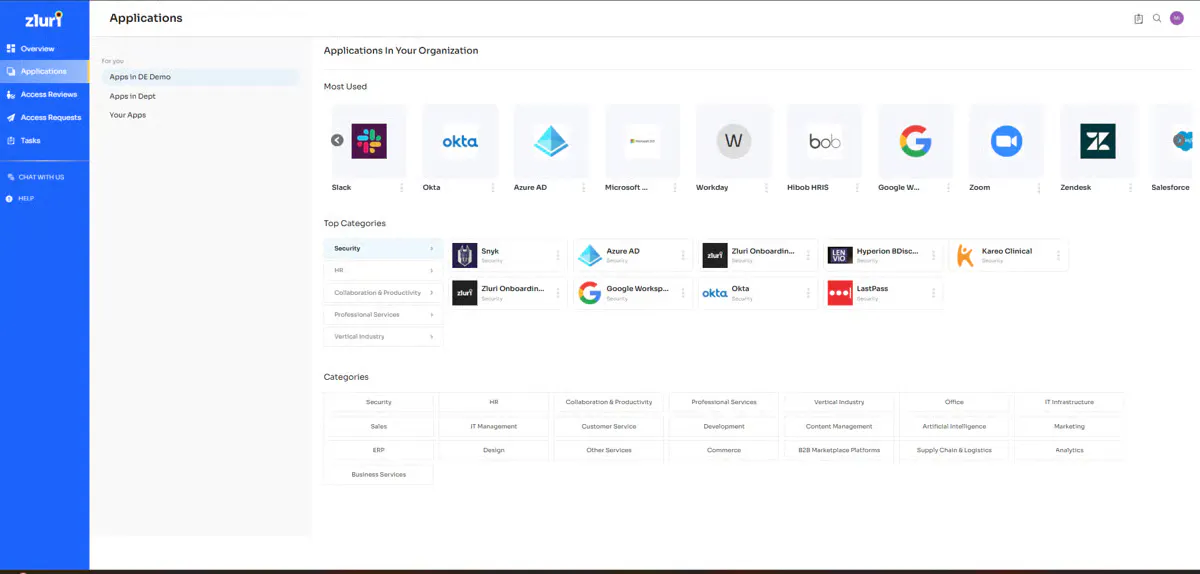
Zluri offers SaaS discovery and application visibility to automatically identify applications used across the organization by integrating with identity providers, finance tools, and other systems. This allows IT teams to uncover shadow IT.
Zluri also includes access management and identity lifecycle management features. IT teams can manage who has access to which applications, automate user provisioning and deprovisioning, and ensure that employees only have access to the tools they need.
The platform supports access reviews, allowing organizations to periodically audit user permissions across applications. These reviews help companies ensure that employees do not retain unnecessary access to sensitive systems, which is an important component of identity governance and compliance.
Zluri also supports AI and application monitoring, allowing organizations to track emerging categories of tools such as AI applications being used by employees. This visibility helps IT teams maintain governance over new software categories that may introduce security or compliance risks.
Zluri is typically best suited for mid-market and enterprise companies with large SaaS ecosystems and strict security requirements.
If you require strong compliance controls or manage hundreds of SaaS applications, you could benefit from its identity governance and SaaS management capabilities.
✔️ Pros
- Strong SaaS discovery features
- Tracks software usage across teams
- Useful automation for onboarding/offboarding
✖️ Cons
- Integrations require extra steps and validations
- Analytics and dashboards are updated slowly
- Focused mainly on SaaS management rather than procurement
5. Ramp
⭐⭐⭐⭐⭐ Ratings
G2 4.8/5 | Capterra 4.9/5
Overview
Ramp is a finance automation and spend management platform that bundles corporate cards, expense management, bill pay, and SaaS cost control into one place.
It's particularly popular among startups and high-growth companies, largely because it's built around a simple premise: spend less, automatically.
The platform centres on corporate cards with built-in spend controls, allowing finance teams to issue physical and virtual cards with predefined limits, categories, and policies. Every transaction is tracked in real time, which means spending visibility isn't something you have to go looking for, it's just there.
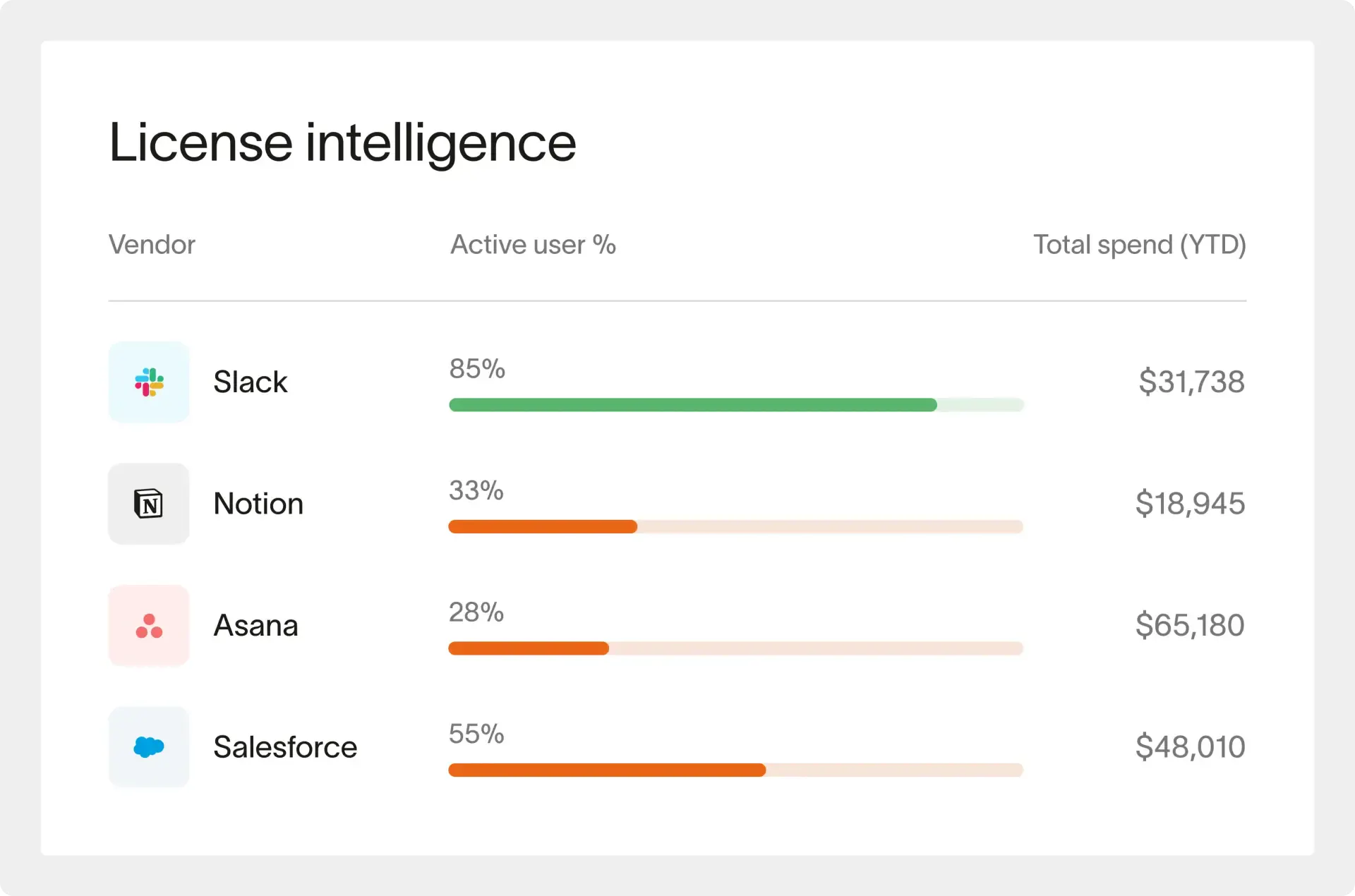
Ramp continuously analyses transaction data and flags issues as they emerge, including duplicate subscriptions, unused SaaS tools, unexpected price increases. It's a lighter-touch approach to SaaS spend management than dedicated procurement platforms, but effective for organisations where most of the waste shows up directly in transaction history.
Ramp handles the operational side of finance reasonably comprehensively. Receipts are captured and matched to transactions automatically, expenses are categorized, and everything syncs with accounting systems.
Accounts payable is similarly streamlined, with invoice management, approval workflows, and vendor payments via ACH, check, or card all handled within the platform.
Where Ramp has less depth is in procurement-specific functionality. It doesn't offer contract lifecycle management, structured intake-to-procure workflows, or hands-on negotiation support in the way that dedicated SaaS procurement platforms do. For organisations whose primary need is financial automation and lightweight spend visibility, that's unlikely to be a dealbreaker, but for those managing complex vendor relationships or high volumes of software contracts, it may be a limitation worth noting.
→ 💻 Compare Ramp with other leading platforms in our guide to the best Ramp alternatives.
✔️ Pros
- Built-in email integrations
- AP automation with invoice processing and payments
- Simple and intuitive user experience
✖️ Cons
- Limited contract lifecycle and vendor negotiation features
- Not a full SaaS procurement platform
- Weak integration with NetSuite
6. Spendflo
⭐⭐⭐⭐⭐ Ratings
G2 4.6/5 | Capterra 4.7/5
Overview
Spendflo is a SaaS procurement and spend management platform that positions itself as both a software tool and a procurement partner. It covers the full intake-to-procure lifecycle while offering optional managed services for organisations that want hands-on support beyond the platform itself.
The core of the product is a standardized intake-to-procure system, where employees submit software requests that move through automated approval, review, and validation workflows.
Procurement, finance, and IT teams stay aligned throughout, without the usual back-and-forth. A conversational AI layer, Flash AI, sits across the platform, allowing users to generate requests, analyse contracts, or pull procurement insights through natural language rather than navigating menus.
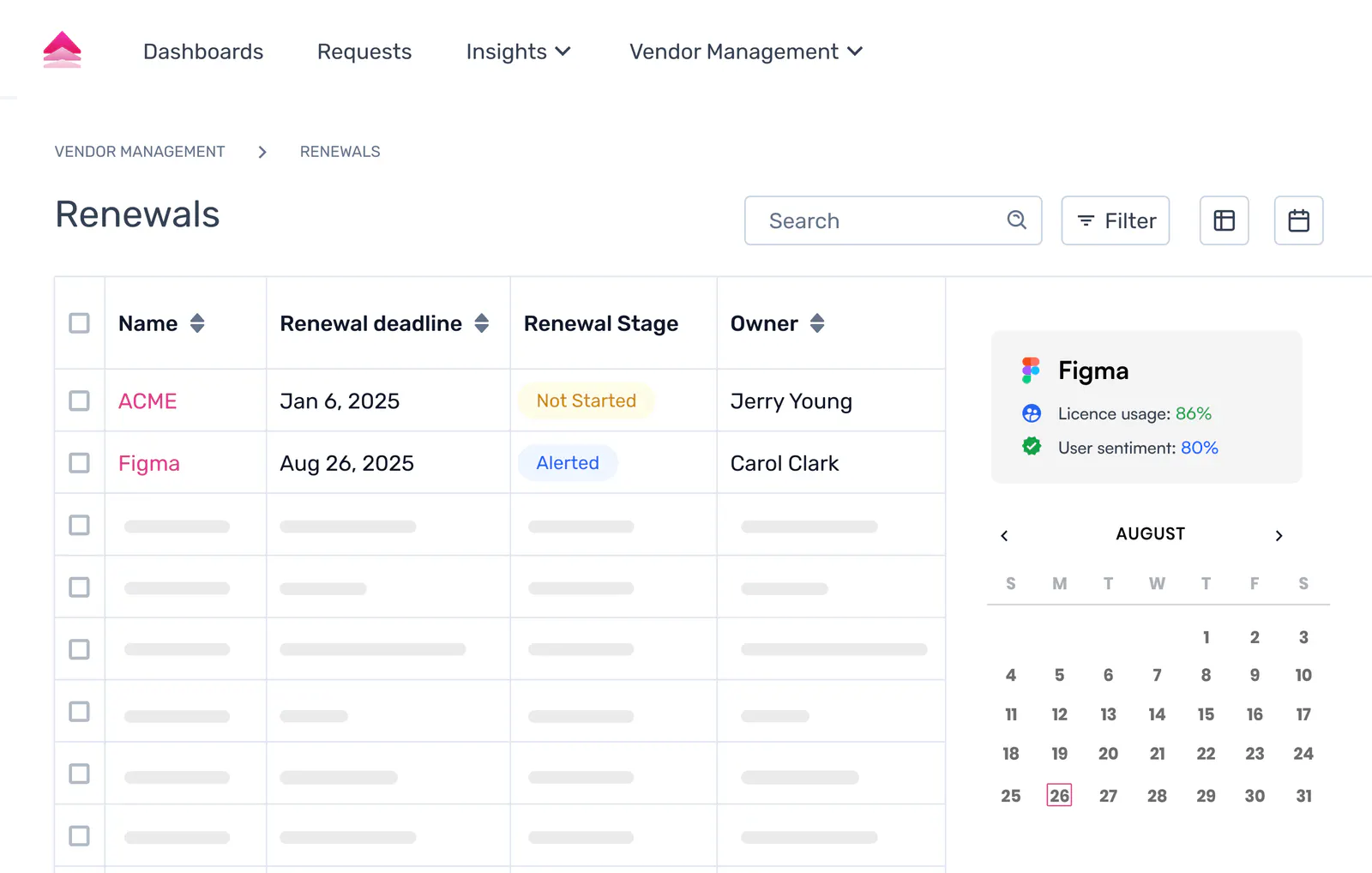
Contract management is handled through a dedicated contract analyst tool, which extracts key terms, flags risks, and surfaces cost-saving opportunities within agreements. This runs alongside pricing benchmarks, giving teams a reference point for whether they're paying a fair rate and what negotiating room might exist.
Vendor management is similarly covered, with supplier directories, onboarding workflows, and third-party risk assessments for evaluating vendors on compliance, security, and legal grounds before contracts are signed.
Spendflo’s usage analytics provide ongoing visibility into how tools are actually being used across the organisation.
PO management and payables automation bridge procurement with financial operations, handling purchase orders, approvals, and vendor payments in one place.
Spendflo offers an optional managed services layer. Customers can engage Spendflo experts to negotiate contracts directly on their behalf, access benchmark reports based on real-world market data, or hand off procurement entirely through a Procurement-as-a-Service (PaaS) model.
→ 💻 If Spendflo isn't quite the right fit, see our breakdown of the 9 best Spendflo alternatives for SaaS spend management.
✔️ Pros
- Usage analytics for SaaS optimization
- Optional managed procurement and negotiation services
- Strong ease of use of platform
✖️ Cons
- Excessive email notifications
- Less focused on identity/access governance (IT side)
- Workflows still require manual follow-ups or clarification
7. Vendr
⭐⭐⭐⭐⭐ Rating
G2 4.6/5 | Capterra 4/5
Overview
Vendr is a specialized SaaS purchasing and vendor negotiation platform focused on helping companies buy, renew, and optimize software contracts at the best possible price.
It combines negotiation services and automated workflows for a more effective SaaS procurement.
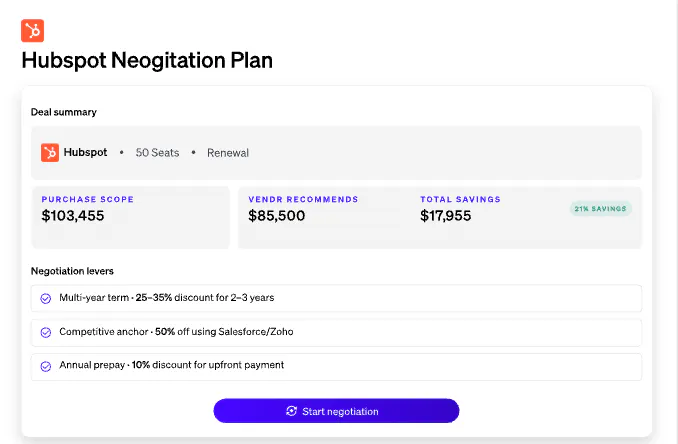
Vendr gives organizations greater visibility into SaaS pricing and contract terms by benchmarking deals against a large dataset drawn from real software transactions. This pricing intelligence helps buyers quickly determine whether a quote is fair before engaging with a vendor. The platform offers contract analysis, vendor negotiation, and renewal management.
Ruth, Vendr’s AI negotiation agent is trained on many real deal outcomes to provide insights on pricing leverage points, proposes negotiation strategies, and can run negotiations on your behalf once you approve the approach.
Vendr offers contract analysis and optimization tools that surface hidden savings opportunities, highlight unfavorable clauses, and suggest negotiation levers tailored to your specific vendor and deal context.
The platform integrates into existing procurement workflows and provides centralized visibility into SaaS spending, vendor contracts, and renewal pipelines, helping you optimize your software portfolios and drive savings across the board.
Vendr’s offering is particularly effective for mid‑size to large companies.
→ 💻 Explore our guide to the best Vendr alternatives to compare leading SaaS procurement and spend management platforms.
✔️ Pros
- Ruth, Vendr's AI Agent
- Offers deep insight into pricing models
- Automates software procurement and renewal
✖️ Cons
- Negotiation is sometimes ineffective
- Works best for companies with large SaaS budgets
- Lacks customization
Do You Need a SaaS Spend Management Platform?
If you use cloud-based software on a regular basis, yes.
Managing SaaS spending is a critical factor in controlling operational costs. Without proper oversight, you can easily waste thousands of dollars on unused subscriptions, overlapping tools, and missed renewal opportunities, all while finance and IT teams struggle to gain clarity over software usage.
SaaS spend management platforms provide the visibility, automation, and cost control necessary to stay on top of these challenges.
Choosing the right platform can have a meaningful impact on a company’s bottom line. Beyond just tracking subscriptions, these tools enable smarter procurement, vendor negotiation, and license optimization, helping teams make data-driven decisions that prevent overspending and maximize the value of each SaaS investment.
If you are looking for a comprehensive, AI-driven solution that combines spend visibility, procurement workflow automation, and vendor management, Najar.ai is your best bet.
With features like smart purchase requests, collaborative approval rooms, exhaustive contract management, and financial insights, Najar.ai empowers finance, procurement, and IT teams to take full control of SaaS spending.
You can reduce software waste, improve budget forecasting, and gain confidence in every subscription decision today.
Frequently Asked Questions
What is SaaS spend management?
SaaS spend management refers to tracking, controlling, and optimizing how much a company spends on software subscriptions and cloud tools.
Why do companies need SaaS spend management tools?
Companies need these tools to:
- Avoid paying for unused software
- Control vendor costs
- Manage renewals
- Improve financial visibility
How much SaaS spending is typically wasted?
Studies show companies waste 20–30% of SaaS budgets on unused licenses and redundant tools.
What features should a SaaS spend management platform include?
Important features include:
- Renewal tracking
- Vendor management
- Contract lifecycle management
- Usage analytics
- Budget tracking
- Procurement workflows