
Iziwork managed to gain 500% ROI with Najar and save 210,000€.
There’s no magic trick, simply the best strategy in SaaS spend management.
And the best SaaS spend management tool.
What is SaaS Spend Management?
SaaS spend management is the process of monitoring and optimising the costs of your software stack.
The goal is not simply to cut spending. Instead, SaaS spend management helps your company ensure you are getting maximum value from every software investment and avoid any unnecessary spending that comes from unexpected renewals or duplicate tools.
SaaS spend management includes:
- Tracking software subscriptions
- Monitoring software usage
- Managing renewals
- Negotiating vendor contracts
- Identifying duplicate tools
- Optimising license allocation
- Improving purchasing processes
Effective SaaS spend management gives finance, procurement, IT, and operations teams a clear view of where software budgets are being spent and where savings opportunities exist.
SaaS Management vs SaaS Spend Management
SaaS spend management is one component of broader SaaS management.
SaaS management focuses on overseeing the entire software ecosystem within an organisation. This includes software discovery, license management, security, compliance, onboarding, offboarding, and governance.
SaaS spend management specifically focuses on the financial side of software ownership.
For example, a SaaS management strategy might identify that multiple teams are using separate project management tools. SaaS spend management then evaluates the costs, negotiates contracts, consolidates vendors, and reduces unnecessary spending.
Think of SaaS management as managing your software environment, while SaaS spend management focuses on maximising the financial return from that environment.
A SaaS spend management platform is a software that helps organisations track, manage, and optimise the money you spend.
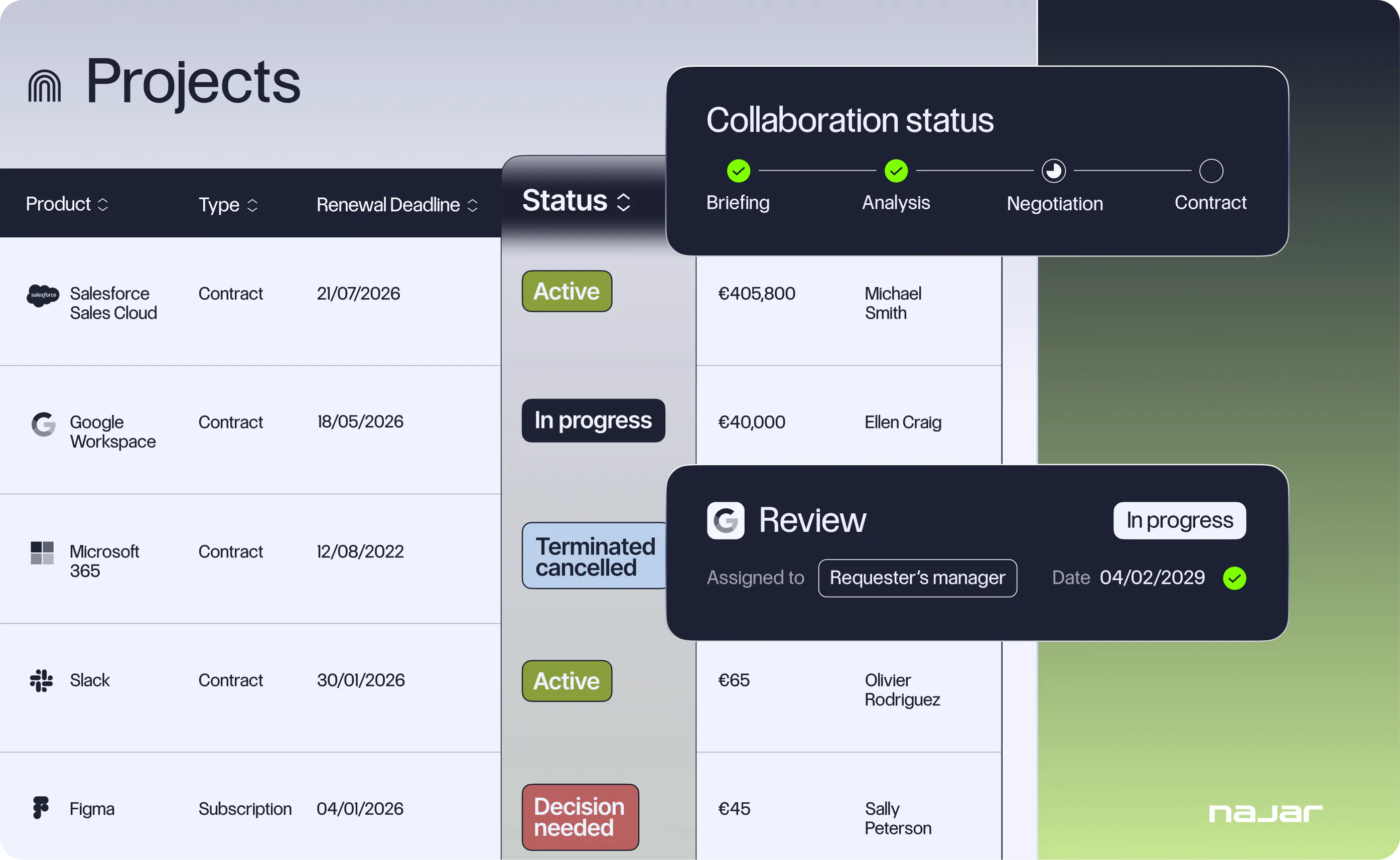
Essentially, the goal of this platform is to provide a centralised dashboard with all of your software and contracts, and with the help of automated workflows and contract negotiation, you can optimise what you spend on all of your vendors.
Benefits of Optimising SaaS Spend Management
When you actively manage software spend, the benefits extend far beyond reducing costs.
Effective SaaS spend management gives your organisation greater visibility, control, and confidence in the money you’re investing in software.
By optimising SaaS spend management, you can create a more efficient software ecosystem and improve financial performance.
Other benefits include:
- Lower your software expenses
The most obvious benefit is reducing unnecessary spending.
Many organisations discover they are paying for licenses that aren't being used, duplicate tools that serve the same purpose, Shadow IT, or subscriptions that have quietly increased in price over time.
Regular audits and proactive vendor management help identify these inefficiencies, allowing businesses to eliminate waste without impacting productivity.
- Know what you’re paying for
One of the biggest challenges companies face is understanding exactly where their software budget is going.
With dozens or even hundreds of SaaS applications spread across different departments, spending can become fragmented and difficult to track. SaaS spend management creates a centralised view of software purchases, contracts, renewals, and ownership, giving finance, procurement, and operations teams complete visibility into software expenditure.
This visibility makes it easier to identify trends, control budgets, and make informed decisions.
- Reduce license waste
Software licenses are often purchased based on projected growth rather than actual usage. Over time, you could end up paying for seats that you’ll never really use.
Optimising SaaS spend management helps you regularly review software usage and right-size licenses based on actual employee needs.
This helps you allocate resources efficiently and so you don’t waste budgets on inactive users.
- Better contract negotiations
When you understand your software usage, spending patterns, and renewal timelines you place yourself in a stronger position when negotiating with vendors.
Rather than approaching renewals at the last minute, you can prepare months in advance, evaluate alternative solutions, and negotiate from a position of strength. This often leads to better pricing, more flexible terms, and improved contract conditions.
- Stronger vendor management
Managing software vendors effectively is just as important as managing software costs.
A structured SaaS spend management process helps you keep accurate vendor records, monitor performance, track contract obligations, and build stronger supplier relationships. This reduces risk and ensures vendors continue to deliver value throughout the contract lifecycle.
- Improved financial forecasting
Accurate budgeting becomes significantly easier when software spend is properly managed.
With visibility into current subscriptions, future renewals, and upcoming purchasing needs, finance teams can forecast software expenses more accurately and avoid unexpected costs. This leads to more reliable budgeting and better long-term financial planning.
- Higher software ROI
Every software purchase should contribute measurable value to the organisation. SaaS spend management helps ensure that investments align with business objectives and that your teams are actually using the tools being purchased.
By eliminating underperforming applications and focusing spending on solutions that deliver results, organisations can improve the overall return on their software investments.
- Improved operational efficiency
A well-managed SaaS stack is easier to maintain and govern. By reducing duplicate applications and centralising software management, you can simplify internal processes and reduce administrative overhead.
As software budgets continue to grow, these benefits become increasingly importantto keep healthy margins and ensure every software investment delivers measurable business value.
How Does SaaS Spend Management Impact Your Finances?
Software spending often grows faster than you can possibly imagine.
For example, you might purchase a new tool to solve immediate challenges, but over time these subscriptions accumulate. Different departments may purchase similar solutions, licenses may remain assigned to former employees, and contracts can auto-renew without review.
The result is a significant amount of hidden waste.
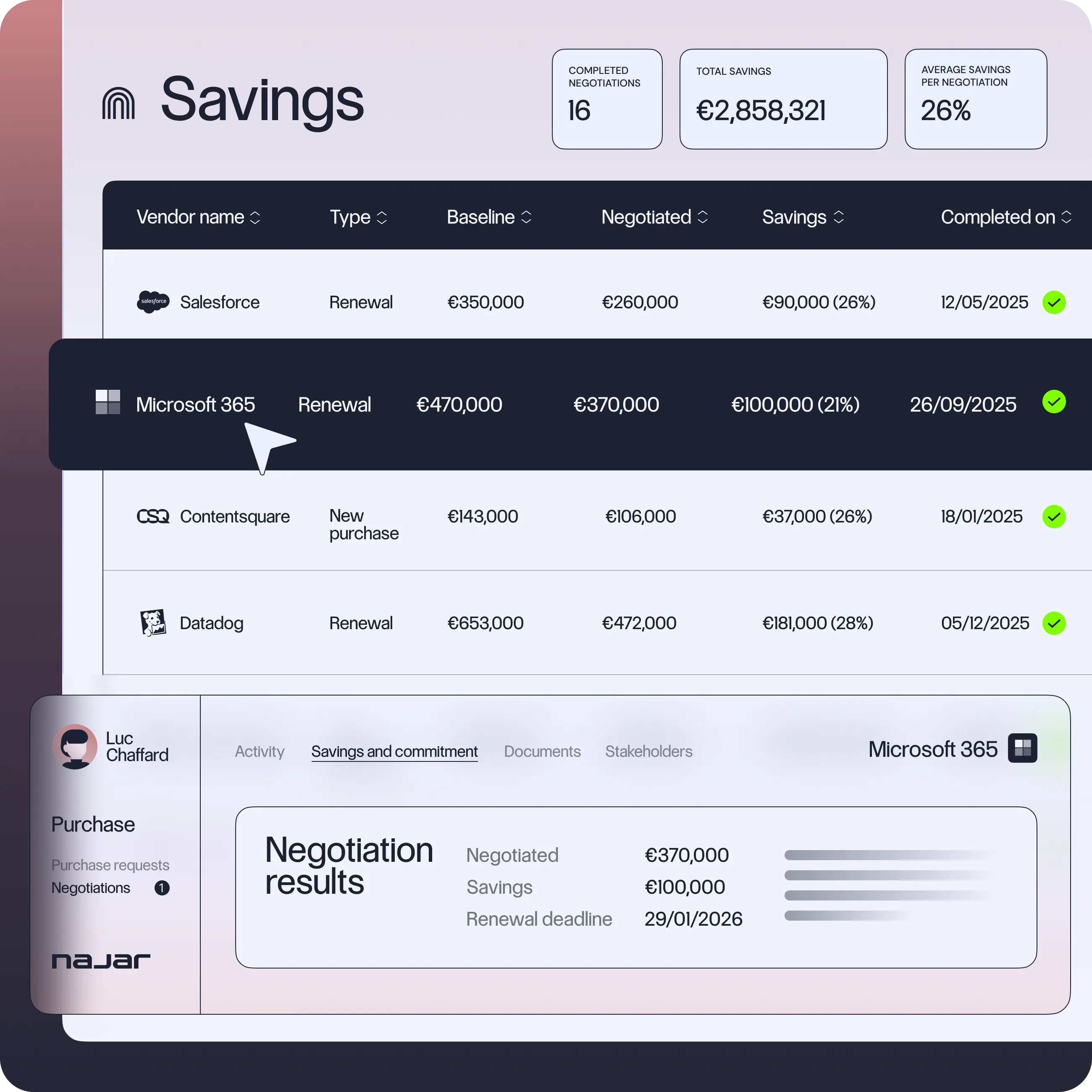
By implementing structured SaaS spend management you can uncover opportunities to reduce software costs by 20% to 40% without affecting productivity.
Many Najar customers initially come to the platform looking for visibility into their software spend. Once spending data is centralised, they frequently discover unused licenses, duplicate applications, and upcoming renewals that would have otherwise gone unnoticed.
By identifying these opportunities early and improving procurement processes, you can redirect software savings toward growth initiatives, hiring, product development, and strategic investments.
How to Optimise SaaS Spend Management
The most successful organisations don't treat software spend optimisation as a one-time project. They build repeatable processes that continuously improve visibility and control.
Here are five expert recommendations for optimising SaaS spend management.
Step 1. Build a complete SaaS inventory
You cannot manage what you cannot see.
Many organisations lack a centralised record of every software subscription, contract, and renewal date. Start by creating a complete inventory of all SaaS applications across the business.
This provides the foundation for every optimisation effort that follows.
Step 2. Review usage regularly
One of the biggest sources of software waste is unused or underused licenses.
Conduct regular usage reviews to identify applications that employees no longer use or licenses that exceed actual requirements.
Reducing unused licenses often delivers immediate savings with minimal operational impact.
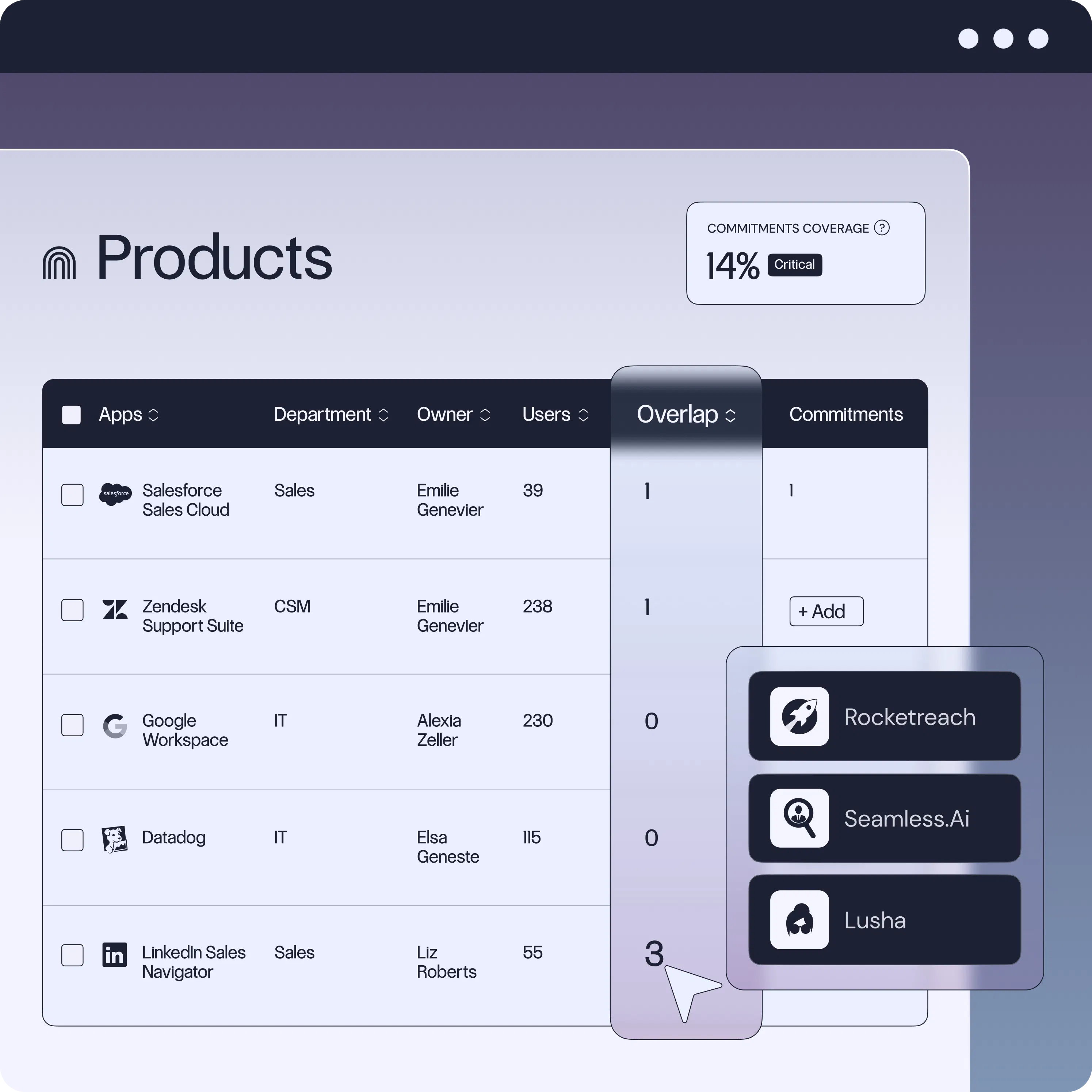
Step 3. Consolidate overlapping tools
When there aren’t simple procurement processes and teams don’t work together, there is a pretty high risk of purchasing similar tools to solve similar problems.
For example, perhaps your marketing team uses Asana to plan campaigns. The operations team might not be aware and purchase a subscription to Monday.com for process management, in the meantime, the product team uses Jira to track projects.
That is three different products that essentially provide the same features.
Consolidating overlapping solutions can reduce costs while simplifying workflows and administration.
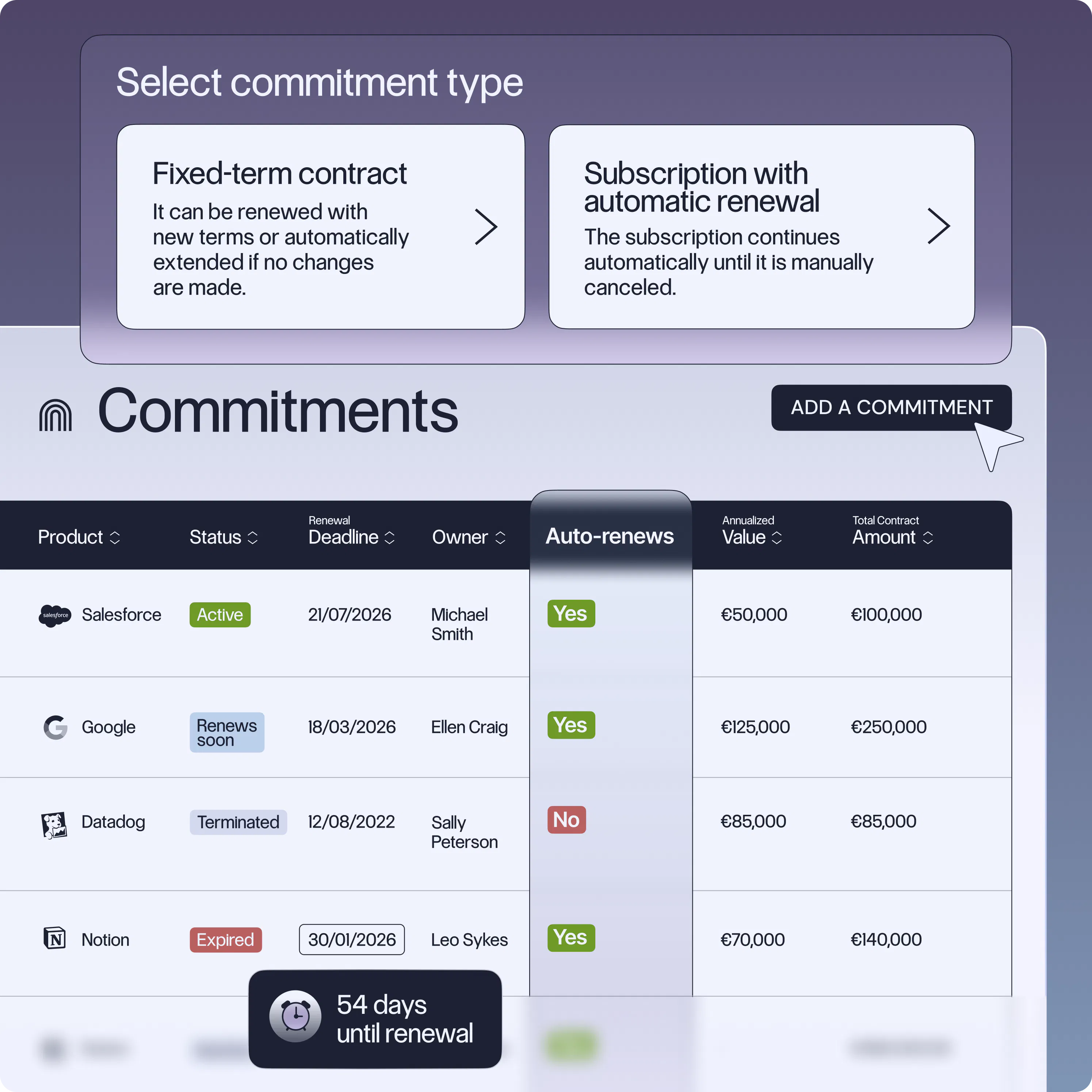
Step 4. Manage renewals proactively
Software vendors often rely on automatic renewals and short negotiation windows.
When you review your contracts months before renewal dates you have ample time to prepare your negotiation strategy and avoid being flustered during the vendor call.
Having a centralised renewal calendar (preferably with notifications) helps prevent missed opportunities.
Step 5. Create a formal procurement process
Software purchases should follow a consistent approval and evaluation process.
When procurement, finance, IT, and department leaders collaborate before purchasing decisions are made, organisations avoid duplicate spending and improve vendor selection.
This is one of the most effective ways to prevent software waste from occurring in the first place.
SaaS Spend Management Best Practices
Successful SaaS spend management relies on both disciplined procurement practices and dedicated software.
As you add more applications, keeping an eye over you full stack becomes increasingly difficult without a centralised system.
Dedicated SaaS spend management software provides a single source of truth for software subscriptions, usage, contracts, and spending. By consolidating this information, you can identify underutilised applications, eliminate duplicate purchases, and uncover cost-saving opportunities across the software portfolio.
The visibility provided by these platforms also strengthens vendor negotiations.
Rather than approaching renewals with limited information, procurement teams can use detailed usage data and spending insights to negotiate better pricing, improved contract terms, or additional functionality. Since vendors are often willing to offer concessions during renewal discussions, a data-driven approach can give you the edge you need to generate significant savings over time.
Centralised software purchasing further enhances control and prevents departments from independently purchasing overlapping solutions.
With all software requests and approvals managed through a single process, you can align technology investments with business priorities while reducing unnecessary spending.
In addition, SaaS spend management software helps organisations track renewal dates well in advance. Best-in-class companies begin reviewing contracts 90 to 120 days before expiration, giving teams sufficient time to evaluate alternatives, assess usage, and negotiate from a position of strength rather than rushing to renew existing agreements.
So, to put it in simpler terms, the best tip to fully optimise your SaaS spend management is to rely on the best software to it for you.
Best SaaS Spend Management Software
Najar helps mid-market and enterprise organisations gain complete visibility into software spending, vendor relationships, contracts, and procurement processes from a single platform.
Najar combines SaaS spend management, procurement operations, vendor sourcing, contract management, approval workflows, and spend optimisation into one unified system.
This allows companies to manage the entire software purchasing lifecycle, from the initial request to vendor negotiations and contract renewal, without relying on disconnected tools or manual spreadsheets.
Najar includes procurement workflow automation. Teams can submit software requests through Smart Purchase Requests, creating a centralised intake process that captures purchasing needs, budget requirements, and business context from the start. These requests are then routed through customisable approval workflows, ensuring the right stakeholders from finance, procurement, IT, security, or legal are involved before purchases move forward.
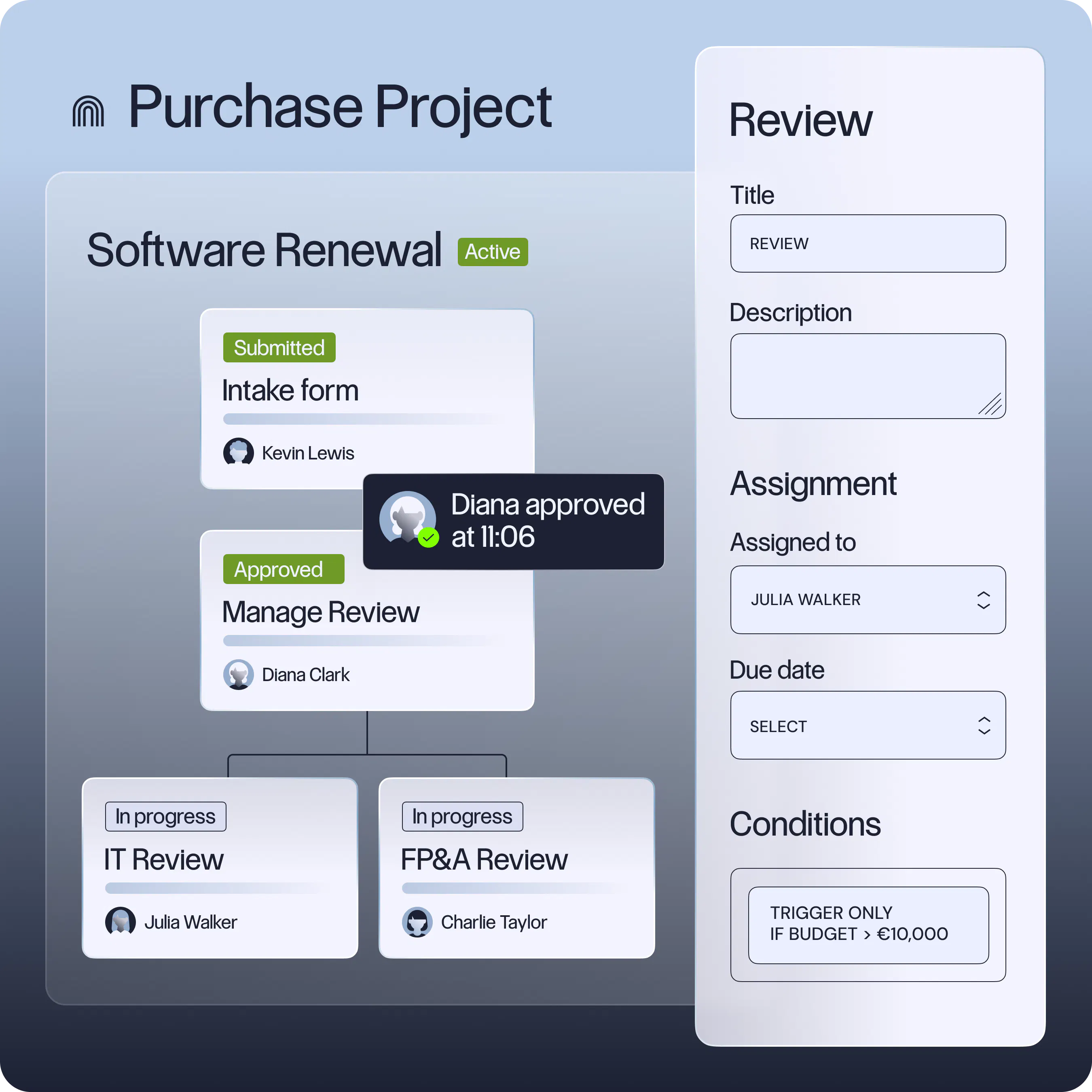
The platform also includes a Collaborative Approval Room that gives teams a dedicated space to evaluate vendors, discuss requirements, review contracts, and align on purchasing decisions.
This improves transparency while reducing delays that often occur when procurement discussions are scattered across emails, spreadsheets, and messaging tools.
If you need to strengthen vendor management, Najar provides sourcing and negotiation support backed by benchmark pricing data and procurement expertise.
Companies can compare vendors, evaluate alternatives, and negotiate contracts with greater confidence using insights from thousands of software purchases and market benchmarks. The platform helps teams secure better pricing, avoid unfavorable contract terms, and improve overall vendor outcomes.
Najar also centralises contract management by storing agreements in a single system, automatically extracting key contract details, tracking renewal dates, and generating proactive reminders before expiration. This helps organisations avoid missed renewals, reduce auto-renewal risk, and create more time for strategic negotiations.
The platform provides detailed spend visibility across departments, making it easier to identify duplicate tools, underutilised licenses, and unnecessary software expenses.
By combining procurement controls, contract oversight, vendor negotiations, and SaaS spend management in one solution, Najar helps companies reduce costs while building a more structured and scalable procurement function.
When Do You Need SaaS Spend Management Software?
Many organisations don't realise they need SaaS spend management software until software costs have already become difficult to control.
Common signs include:
- Software spend is increasing every quarter
- Teams purchase software independently
- Renewal dates are difficult to track
- Vendor contracts are stored in multiple locations
- Finance lacks visibility into software spending
- Duplicate tools exist across departments
- Procurement processes rely heavily on spreadsheets
If any of these challenges sound familiar, SaaS spend management software can provide the visibility and structure needed to regain control.
Save 25% in Your SaaS Stack with Najar
If your software stack becomes too complex, managing SaaS spend manually becomes increasingly difficult.
The organisations that consistently control costs are not necessarily giving up on certain tools. They simply have better visibility, stronger procurement processes, and more effective vendor management strategies.
Najar helps you centralise software spend, manage vendors, track renewals, streamline procurement, and uncover significant savings opportunities across your technology stack.
Book a demo with Najar and discover how leading organisations are optimising their software investments while saving 25-36% across their SaaS stack.