
Did you know the average enterprise spends around €4.1M on SaaS per year?
The scary part is that they’re paying more than 20% more than they should.
Companies that are spending this much on SaaS are making the same mistake: they don’t have proper SaaS contract negotiation.
With advanced tools, such as Najar customers have saved 25% in each negotiation.
What is SaaS contract negotiation?
SaaS contract negotiation is the process of discussing and optimising the terms of a software agreement before signing or renewing so it benefits both parties.
The goal of negotiation is to lower the price down a bit, but also to secure better terms that will actually fit your business needs. This involves budget, payment schedules, support, etc.
In practice, negotiation means reviewing vendor proposals, benchmarking pricing against the market, identifying where you have leverage, and landing on terms that work for both sides.
Most mature organisations don't handle this ad hoc anymore. Instead, it's typically supported by internal procurement teams, external advisors, or platforms that combine software tooling with assisted or outsourced negotiation services.
Basically, where procurement specialists negotiate directly with vendors on your behalf, backed by market data and proven strategies.
What terms can you actually negotiate?
Honestly, more than you would believe. Beyond the headline price, most SaaS contracts leave room on a surprising number of fronts:
- Pricing and discounts
Per-user pricing, volume discounts, and multi-year reductions are all fair game.
Vendors rarely lead with their best number, and most have more flexibility here than they let on, especially if you're bringing a meaningful contract size or a long relationship to the table.
- Renewal terms
Auto-renewal clauses are one of the sneakiest cost drivers in SaaS.
Push to extend notice periods, add price caps on future renewals, or remove auto-renewal entirely in favour of a manual sign-off. The default terms almost always favour the vendor.
- Contract length and flexibility
Annual contracts offer vendors predictability, which means they're usually willing to trade some pricing in exchange.
Multi-year commitments usually offer deeper discounts, while shorter terms or break clauses give you flexibility if your needs change.
- Support levels and SLAs
Response times, uptime guarantees, dedicated account management, premium support tiers, typically these are terms you can agree upon before committing. And tend to be overlooked.
The difference between standard and premium support can matter significantly when something goes wrong or during onboarding.
- Usage limits and licensing structure
If you're being sold a seat-based model but only a fraction of your team uses the tool daily, it's worth pushing for a structure that reflects actual usage.
Many vendors will accommodate this rather than lose the deal.
- Liability and indemnification terms
Often overlooked in the rush to get a tool live, but worth reviewing carefully, especially for tools that handle sensitive data.
Liability caps, indemnification scope, and data breach responsibilities are all areas where the standard contract may not serve your interests.
- Exit conditions
Termination clauses, data portability, and cancellation policies matter most when you need them and haven't negotiated them. Make sure you know what it costs (financially and operationally) to leave before you sign.
Negotiation, done well, is as much about reducing risk and building in flexibility as it is about cutting costs.
How to negotiate SaaS contracts
Effective negotiation means you know exactly which levers to pull. In order to do so, you need to have your facts and choose your moment.
Knowing what you can negotiate is one thing, knowing how to negotiate it is another.
The good news is that most effective SaaS negotiation comes down to a handful of reliable tactics.
- Align all teams before you negotiate
SaaS negotiations that involve finance, IT, and procurement from the start tend to move faster and land better outcomes than those where one team owns the process and pulls others in at the last minute.
Finance brings budget context, IT brings technical and security requirements, and procurement brings negotiation experience and market knowledge. When those perspectives are aligned before the vendor conversation begins the negotiation has a clear direction.
- Define your goals beforehand
Going into any negotiation without defined goals is a bit like grocery shopping without a list: you'll get something, but probably not exactly what you needed, and likely at a higher cost.
Knowing your target price, what terms are non-negotiable, and at what point you'd genuinely consider an alternative vendor keeps the process grounded and prevents the kind of scope creep that leads to signing a contract that's only marginally better than the original proposal.
- The most important starting point is benchmarking
Before entering any vendor conversation, you should have a clear sense of what similar companies are paying for the same tool. Vendors rarely volunteer this information, but it exists and walking in with market data immediately shifts the dynamic and gives you the upper hand.
You're no longer negotiating against the vendor's proposal; you're negotiating against what the market actually looks like.
- Wherever possible, request quotes from multiple vendors before committing
Even if you have a strong preference for one tool, referencing alternatives during the negotiation can introduce competitive pressure that wouldn't otherwise be there. A vendor who believes they're your only option negotiates very differently from one who knows you have a shortlist.
- Watch out for the perfect timing
Renewal periods are when vendors are most motivated to retain your business, which makes them the natural moment to push for better terms.
But don't wait until the last minute. Arriving at renewal negotiations with two weeks to spare leaves you with very little leverage. Starting the conversation 60 to 90 days out gives you time to explore alternatives, let the vendor sharpen their pencil, and avoid the pressure of an impending auto-renewal deadline.
- Commit to the most reliable vendors
Vendors are generally willing to offer meaningful discounts in exchange for consolidation or volume commitments.
In other words, if you’re using large software ecosystems. For example, if you’re already using Zoho CRM, check out other products such as Zoho Books or Zoho Mail and bundle them up.
By committing to multi-year contracts you can also lower pricing. Vendors value predictability, and a two or three year commitment is often worth a 15–20% reduction on annual pricing.
- Lean on your own usage data
If your team is using 60% of the licences you're paying for, that's a negotiating lever.
Bringing concrete usage data to the table gives you a credible basis for downsizing, renegotiating your tier, or restructuring how you're billed. Vendors would rather adjust the contract than lose it entirely.
Once the deal is closed, make sure you have drafted you own summary. Price commitments, support inclusions, usage limits, renewal conditions, and any verbal assurances made during negotiation should all be reflected in the final contract.
What to look out for during SaaS contract negotiations?
Despite the clear upside, SaaS contract negotiation tends to be under-optimised in most organisations, usually for the same recurring reasons:
- Pricing opacity
Without access to reliable benchmarks, it's genuinely difficult to know whether the price you've been quoted is reasonable or inflated. Vendors rarely volunteer this context, which means you're often negotiating without a reference point.
- Renewals that sneak up
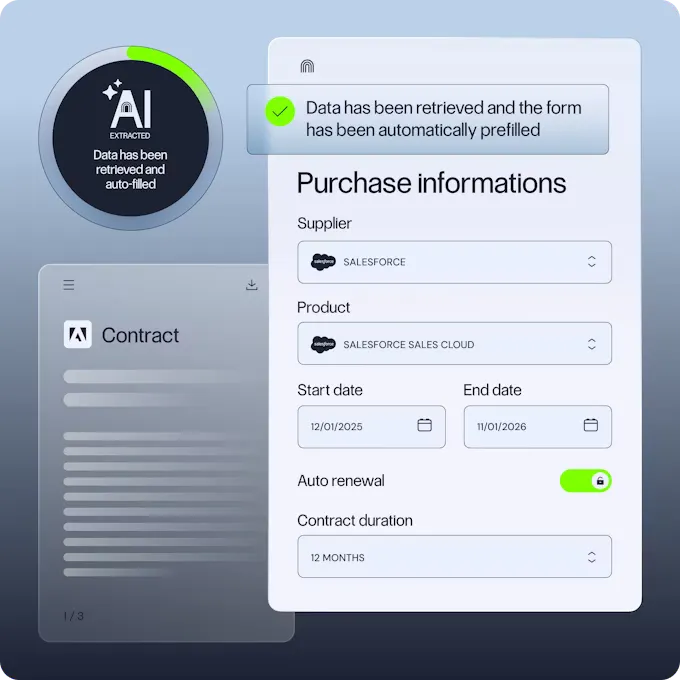
Auto-renewals are designed to be frictionless for the vendor. Without a system to track deadlines, contracts roll over before anyone has had a chance to question whether the terms still make sense.
- Lack of internal expertise
SaaS procurement is a specific skill set, and most organisations don't have dedicated people for it. Or the proper tools. Without that expertise, it's easy to miss negotiation levers, accept unfavourable terms, or simply not know what to push back on.
- Scattered contracts and poor visibility
When agreements live across inboxes, shared drives, and spreadsheets, it's hard to get a clear picture of what you've signed, what's coming up for renewal, and where the risks are.
- Inconsistent processes across teams
When different departments negotiate their own tools independently, there's no shared playbook, no consolidated leverage, and no way to learn from what's worked before.
Tools like Najar offer smart purchase requests so there is a single source of truth where every team can have acess and a clear view of existing SaaS in the company.
SaaS contract negotiation with Spend Management Software
The main issue during contract management is that you may not have dedicated specialists for the task. This results in having different managers handling negotiations with little to no alignment with other departments.
This leads to missed opportunities and waste of resources.
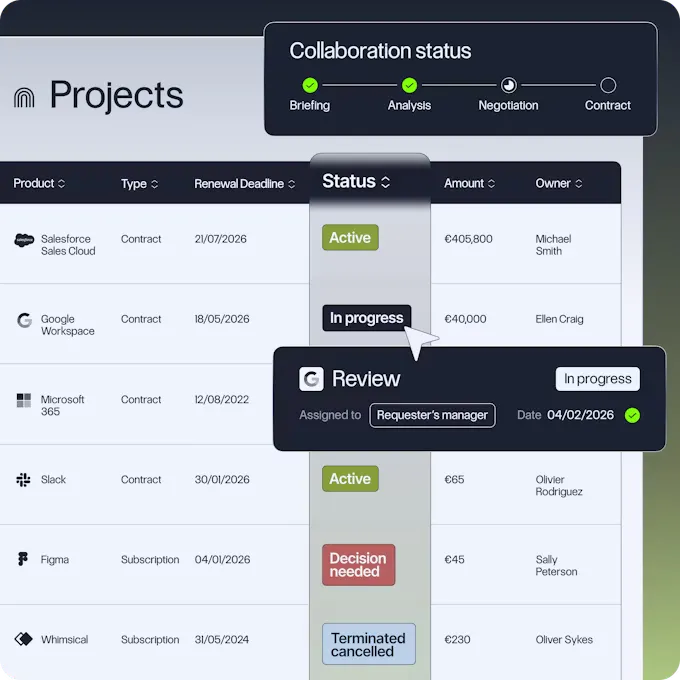
SaaS spend management platforms address most of the challenges above by bringing contracts, usage data, pricing benchmarks, and approval workflows into one place. The goal of this platform is to turn negotiation into a structured process.
With a platform like Najar, the procurement journey typically follows a clear path: a software need is submitted through a standardised intake form, routed through the appropriate approval workflow, benchmarked against market pricing, reviewed for contract risks and savings opportunities, and then negotiated with the support of data and, where needed, expert IT procurement partners.
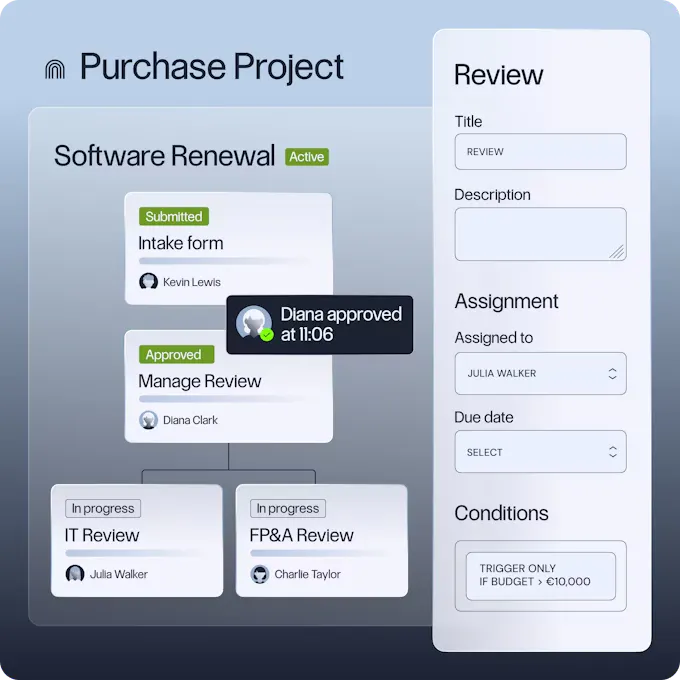
Contracts are stored centrally, renewals are tracked automatically, and usage is monitored on an ongoing basis to flag optimisation opportunities before they become missed ones.
The practical outcomes tend to be consistent: better visibility into what's being spent and why, less manual effort across finance and procurement teams, stronger negotiation results, fewer surprise renewals, and lower overall software costs.
Bregal Milestone’s portfolio experienced this directly by trusting in Najar, €109K saved across 8 contracts, at an average of 18% per deal, through a combination of structured procurement and negotiation support.
3 best tools to negotiate SaaS contracts effectively
The best SaaS spend management tools will offer built-in contract negotiation features that rely on expert knowledge and insights.
These tools include:
Najar
⭐⭐⭐⭐⭐ Rating
G2 4.6/5 | Capterra 4.8/5
Overview
Najar is an AI-powered SaaS procurement and spend management platform that combines intake workflows, vendor sourcing, benchmarks, contract management, spend visibility and negotiation support in one place.
It's built for finance, IT, and procurement teams that want to move from reactive to strategic when it comes to software spending.
Where Najar stands out on the negotiation front is in its strategic expertise.
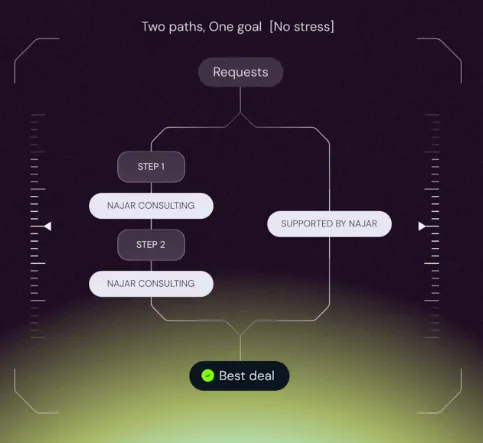
Najar's team of Procurement Partners are expert IT buyers who negotiate the full picture. Including pricing, contract terms, usage rights, etc. They also help build your full saas procurement negotiation strategy based on your business' needs.
Najar offers different negotiation options so you can choose how involved you wish to be in the process.
For example, you can negotiate with our coaching services, negotiate collaboratively with Najar's expert IT Procurement Partners, or fully delegate the process who handle everything on your behalf. You decide based on your priorities, whether you want to delegate strategic projects or have Najar take care of longtail spend.
This hands-on procurement expertise, backed by real pricing data and AI, is consistently cited by reviewers as a primary reason for adopting the platform.
Cons
Platform is relatively young
Team changes as the company scales
Designed for the European market
Pros
Flexible negotiation model (from self-serve to full delegation)
Expert IT buyers with deep procurement knowledge
Strong contract centralisation and renewal tracking
Structured intake and approval workflows
Ramp
⭐⭐⭐⭐⭐ Rating
G2 4.8/5 | Capterra 4.9/5
Overview
Ramp is a finance automation platform built around corporate cards, expense management, bill pay, and lightweight SaaS spend visibility. It's particularly popular with startups and high-growth companies that want to consolidate financial operations and reduce manual work.
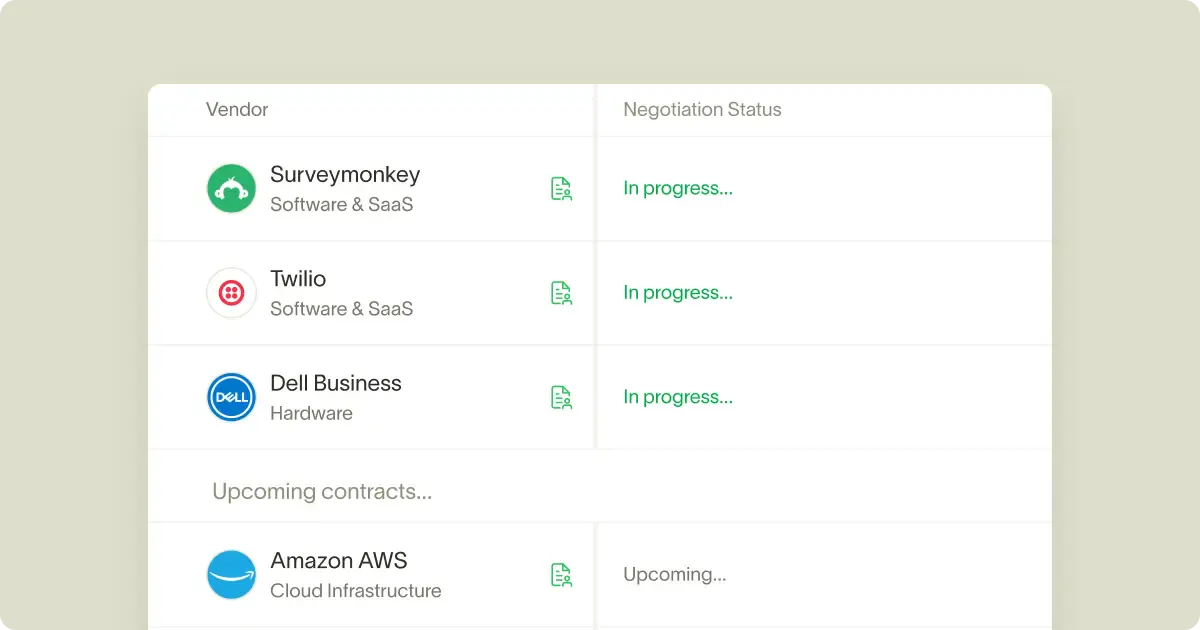
Ramp offers automated vendor contract negotiations through their Buyer team.
You upload your vendor contract, and Ramp's team handles the negotiation process on your behalf. The goal is to reduce the manual effort involved in negotiations rather than offering specialist IT procurement expertise or detailed pricing benchmarks.
Although Ramp is a very comprehensive spend management tool, the negotiation offer is still quite light. It automates the process and removes the burden from your team, but it doesn't appear to be backed by the same depth of market data, IT expertise, or structured procurement methodology that dedicated SaaS procurement platforms typically offer.
Cons
Limited depth in contract management and procurement workflows
No hands-on negotiation support or pricing benchmarks
Some users report friction with invoice processing and approval workflows
Pros
Powerful automation for expense tracking, receipt capture, and month-end close
Real-time spend visibility across the organisation
AI-driven savings recommendations from transaction data
Sastrify
⭐⭐⭐⭐⭐ Rating
G2 4.5/5 | Capterra 5/5
Overview
Sastrify is a SaaS procurement and spend management platform with a strong emphasis on AI-driven optimisation and cost savings.
It combines pricing benchmarks, usage analytics, renewal tracking, and procurement workflows, and positions itself as both a software tool and a procurement partner.
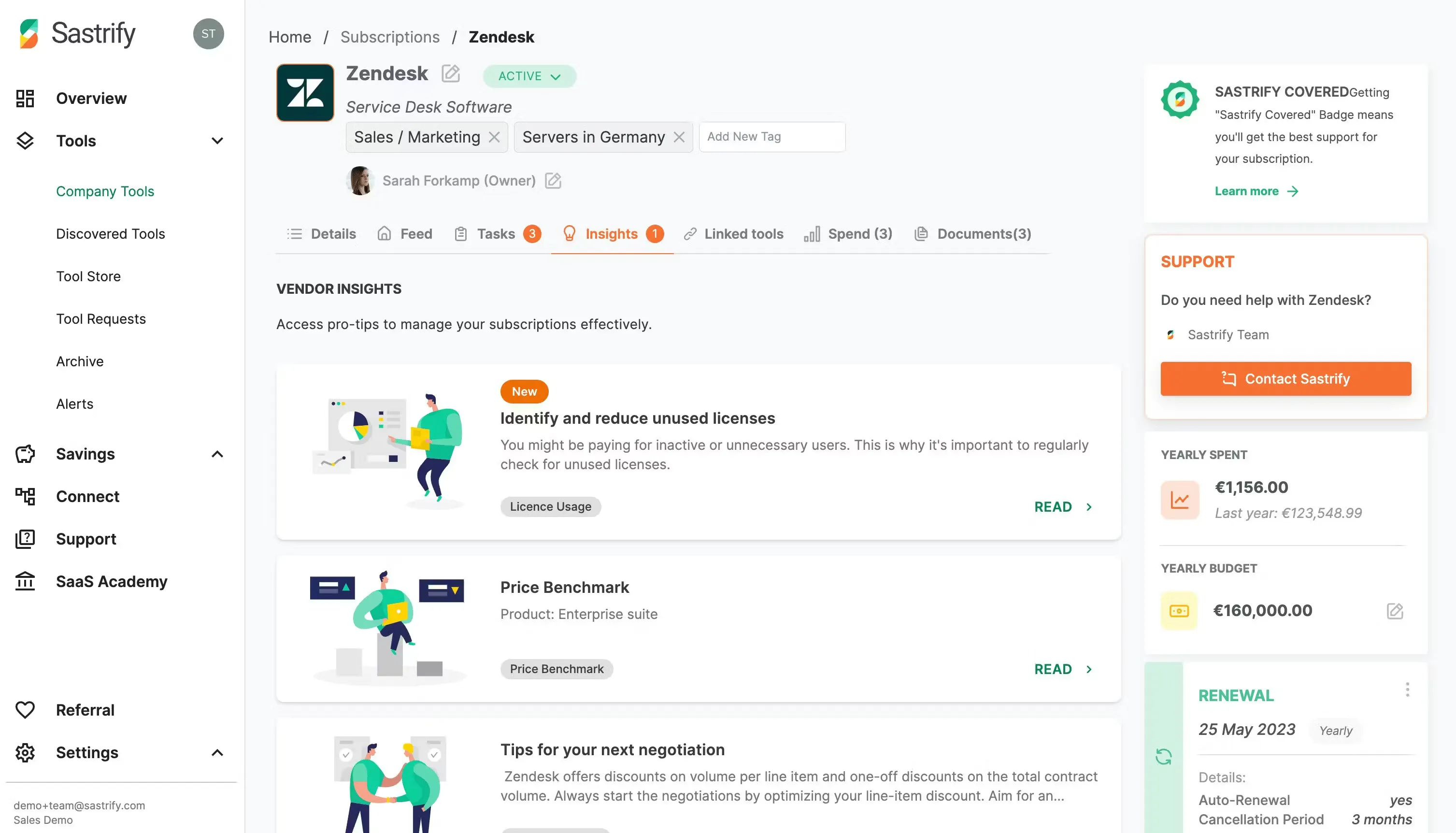
For contract negotiation specifically, Sastrify offers pricing benchmarks drawn from a large dataset of SaaS spend data, negotiation support through its team, and a software marketplace with pre-negotiated discounts.
Like Najar, Sastrify leaves it up to you to decide how involved you want them to be:
- Sastrify as the lead buyer/ negotiator
- Sastrify as the supporting buyer while customer is the lead negotiator
- Sastrify not part of the negotiation calls but providing support with tips, strategies, and benchmarks before or during an ongoing negotiation
- Depending on the vendor, Sastrify can offer advice on tool alternatives (based on the most frequently used alternatives within Sastrify’s customer database).
Source: Sastrify
Cons
Can feel expensive
UI can be confusing at times
Internal adoption from tool owners requires active effort during setup
Pros
Pricing benchmarks backed by significant market data
Pre-negotiated discounts via software marketplace
Proactive renewal management and renewal reminders
SaaS negotiation doesn't have to be a headache
Left to chance, SaaS contract negotiation is time-consuming, inconsistent, and easy to deprioritise until a renewal deadline is already looming.
The companies that do it well tend to share a few things in common:
- They have visibility into what they're spending
- They know their benchmarks
- They start conversations early
- They treat procurement as a strategic function
Platforms like Najar exist to make that shift practical by centralising the process, automating the repetitive parts, and bringing expert support to the negotiations that warrant it.
SaaS spend management platforms with contact negotiation features offer great savings and the clarity and control that comes from finally knowing exactly what you're paying for, and why.
If you’re ready to experience the same savings as Bregal Milestone, Vusion Group, Lucca, and other successful customers, get your free demo now.